



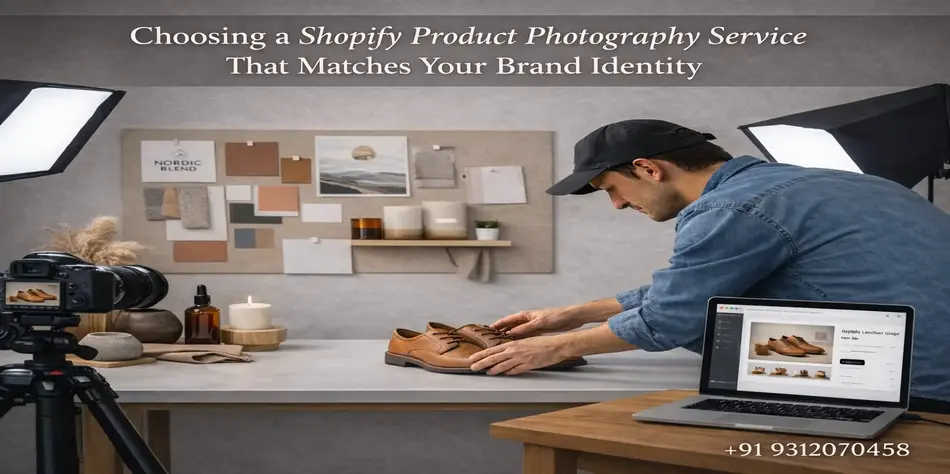
Choosing a Shopify Product Photography Service That Matches Your Brand
In today’s e-commerce landscape, a Shopify store’s visual identity is just as important as the products it sells. Customers often decide whether to buy in seconds, and your product photography can make or break that first impression. A misaligned visual style can confuse buyers, dilute your brand, and lower conversions.
This is where selecting a Shopify product photography service that truly understands your brand becomes critical. From pre-production planning to final delivery, every step influences how customers perceive your business. This guide breaks down the key considerations, workflow strategies, and real-world insights to help you choose a service that enhances your brand identity and drives results.
Planning & Concept Development
Aligning photography with your brand starts long before the camera clicks. Pre-production planning is the foundation for professional, on-brand visuals.
1. Align Photography with Brand Identity
-
Understand Your Brand Voice: Determine if your brand is minimalistic, vibrant, luxury-oriented, or playful. The photography style should reflect this tone.
-
Target Audience Consideration: Your visuals should resonate with your audience demographics, cultural context, and buying habits.
-
Visual Consistency Across Products: Use similar angles, lighting, and backgrounds to create a cohesive look across your Shopify store.
2. Pre-Production Workflow and Concept Planning
-
Mood Boards: Gather inspiration images to define style, lighting, and product presentation.
-
Storyboarding Shots: Plan angles, compositions, and layouts before the shoot.
-
Props & Styling: Choose props, models, and accessories that complement your brand without overshadowing the product.
3. Styling, Mood Boards, and Colour Palette Choices
-
Colour Consistency: Match background and product styling with your brand palette.
-
Lighting Style: Bright and soft for lifestyle brands; dramatic and contrast-rich for luxury products.
-
Model Representation: Ensure models reflect the diversity and persona your brand communicates.
Examples of Aligned vs. Mismatched Visuals
|
Brand Identity |
Aligned Photography |
Mismatched Photography |
|
Minimalist |
White background, clean composition, subtle props |
Overcrowded setup, bright patterns, distracting elements |
|
Luxury |
High contrast, rich textures, dramatic lighting |
Flat, poorly lit, low-resolution images |
|
Playful / Lifestyle |
Vibrant colours, dynamic poses |
Static shots, muted palette, unengaging |
Post-Production & Final Output Quality
High-quality post-production ensures your images maintain professionalism and consistency across Shopify listings.
1. Editing Style Consistency
-
Apply a uniform editing style across all products.
-
Ensure colour grading aligns with your brand’s palette and mood boards.
-
Retouch for clarity, but avoid over-editing that misrepresents the product.
2. Image Quality, Retouching, Formats, Compression
-
Deliver high-resolution images suitable for Shopify zoom and hero views.
-
Save in Shopify-optimised formats like JPEG, PNG, or WebP.
-
Compress images efficiently without losing quality to maintain fast page loading times.
3. Visual Optimisation for Shopify Product Listings
-
Maintain clear focal points to direct customer attention.
-
Use lifestyle shots for context, paired with clean product-only images.
-
Ensure mobile-friendly framing, as a majority of Shopify shoppers browse on smartphones.
Brand Impact & Value for Models / Businesses
Investing in professional Shopify product photography is not just aesthetic—it’s strategic.
How Professional Visuals Affect Trust, Credibility, and Conversions
-
First Impressions Matter: Well-shot, on-brand images convey professionalism and reliability.
-
Perceived Value: High-quality visuals can justify premium pricing.
-
Conversion Uplift: Consistent, engaging visuals reduce hesitation and boost sales.
Psychological Impact of Consistent Aesthetics
-
Cognitive Fluency: Customers process consistent, clear visuals faster, increasing purchase confidence.
-
Emotional Connection: Lifestyle and model-integrated photography help users envision using the product themselves.
Real-World Examples and Measurable Outcomes
-
Brands that upgraded from amateur product photos to professional Shopify-focused shoots reported:
-
20–35% increase in add-to-cart rates
-
15–25% reduction in return requests
-
Improved brand recall and repeat purchases
Trust Signals
Years of Hands-On Product Photography Experience
-
15+ years specialising in e-commerce and Shopify product imagery.
-
Experience with fashion, electronics, home goods, and lifestyle products.
Types of Clients Served
-
Startups seeking high-quality Shopify launches.
-
Established brands expanding product lines globally.
-
Freelance and model collaborations for lifestyle campaigns.
Professional Workflow, Industry Standards, and Best Practices
-
Pre-production mood boards, shot lists, and model selection.
-
Studio and on-location shoots optimised for Shopify display.
-
Post-production consistency in retouching, colour correction, and formatting.
Common Mistakes Businesses Make
-
Using generic stock images that don’t reflect brand identity.
-
Inconsistent lighting, angles, or background styles.
-
Over-compressed images are reducing clarity on Shopify.
-
Ignoring lifestyle imagery for context and emotional engagement.
FAQs
1. What is a Shopify product photography service?
It’s a professional photography service tailored to Shopify stores, focusing on high-quality images that reflect the brand and optimise listings.
2. How important is brand identity in product photography?
Crucial—aligned visuals improve trust, recognition, and conversion rates.
3. Should I choose lifestyle or white background images?
Both. White backgrounds work for clarity, lifestyle for context and emotional appeal.
4. How many images per product are recommended for Shopify?
5–8 images per product, including hero, lifestyle, detail, and angle shots.
5. Can post-production affect my brand consistency?
Yes—consistent editing style, colour grading, and retouching are vital.
6. Do I need models for all product shoots?
Not always—models help demonstrate scale and lifestyle, but simple products may not require them.
7. How do professional visuals impact conversion?
High-quality, consistent images increase perceived value and purchase confidence.
8. Are Shopify image formats different from other platforms?
Shopify recommends JPEG, PNG, or WebP for optimised speed and clarity.
9. How do I assess if a photography service matches my brand?
Review portfolios, ask for mood boards, and ensure they understand your brand tone.
10. Can professional photography reduce product returns?
Yes—accurate, high-quality visuals set clear expectations, lowering return rates.
Contact Us for Premium Shopify Product Photography Service
Building a Shopify store that genuinely reflects your brand begins with photography that is intentional, consistent, and strategically aligned. Lohar Studio specialises in brand-driven product photography for Shopify sellers, delivering customised visual solutions for startups, D2C brands, and established businesses alike. Partner with us to develop a cohesive visual strategy that enhances product appeal, strengthens buyer trust, and supports measurable growth across your Shopify storefront.
If you're looking to enhance your brand’s presence on leading e-commerce platforms like Amazon, Flipkart, Myntra, Meesho, TataCliQ, Snapdeal, and Ajio, Lohar Studio is your go-to destination. Our team specializes in delivering high-quality images for fashion items, footwear, automotive products, medical photography, business headshots, and corporate shoots. We serve Delhi, Noida, Gurgaon, Faridabad, and Ghaziabad, offering professional results that boost conversions and elevate your brand’s image. Get in touch today at +91 9312070458 or visit us at A1/58, 1st Floor, Sector 6 Rd, Pocket 1, Sector 6A, Rohini, Delhi, 110085, to schedule your next shoot!

