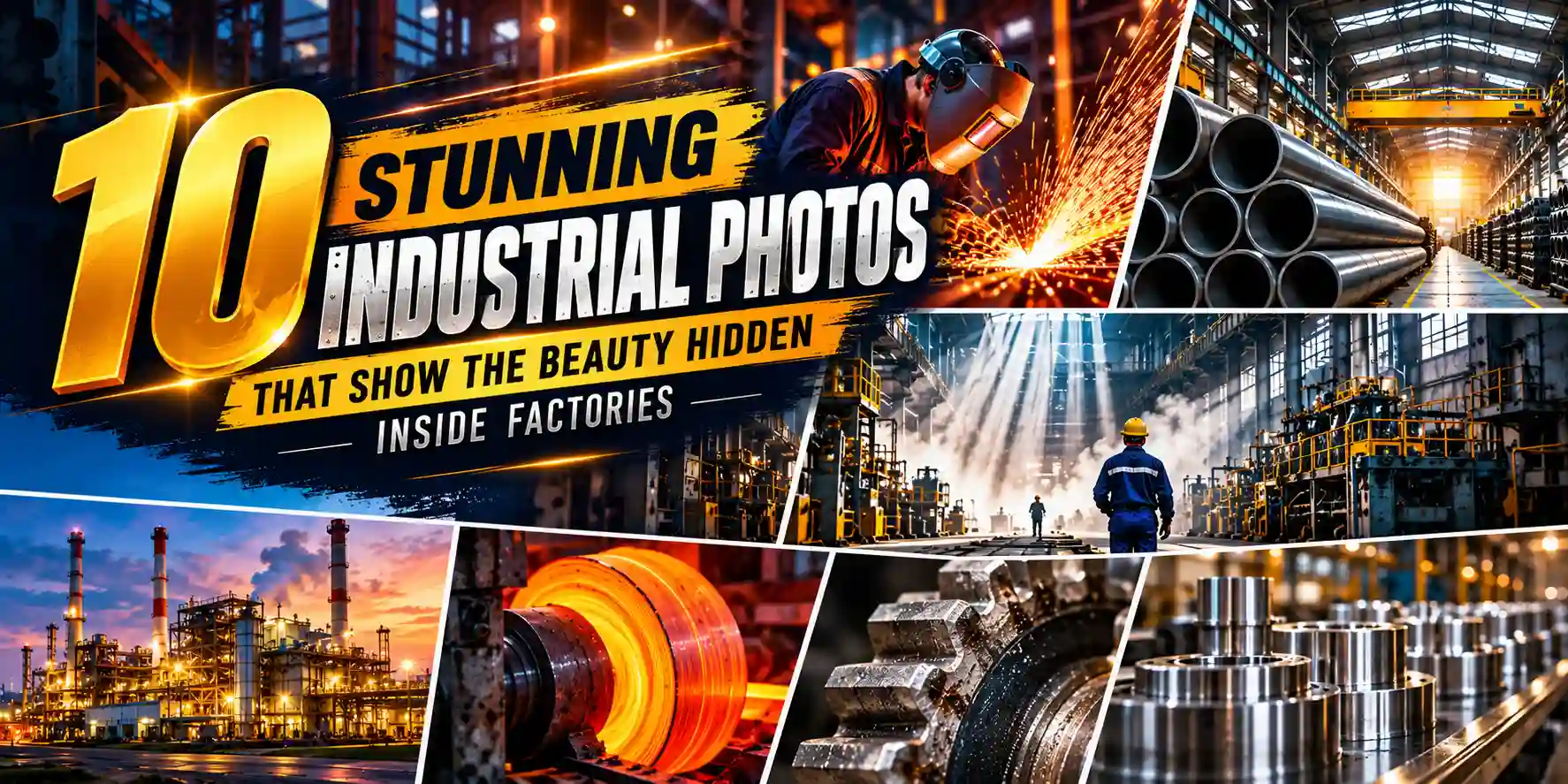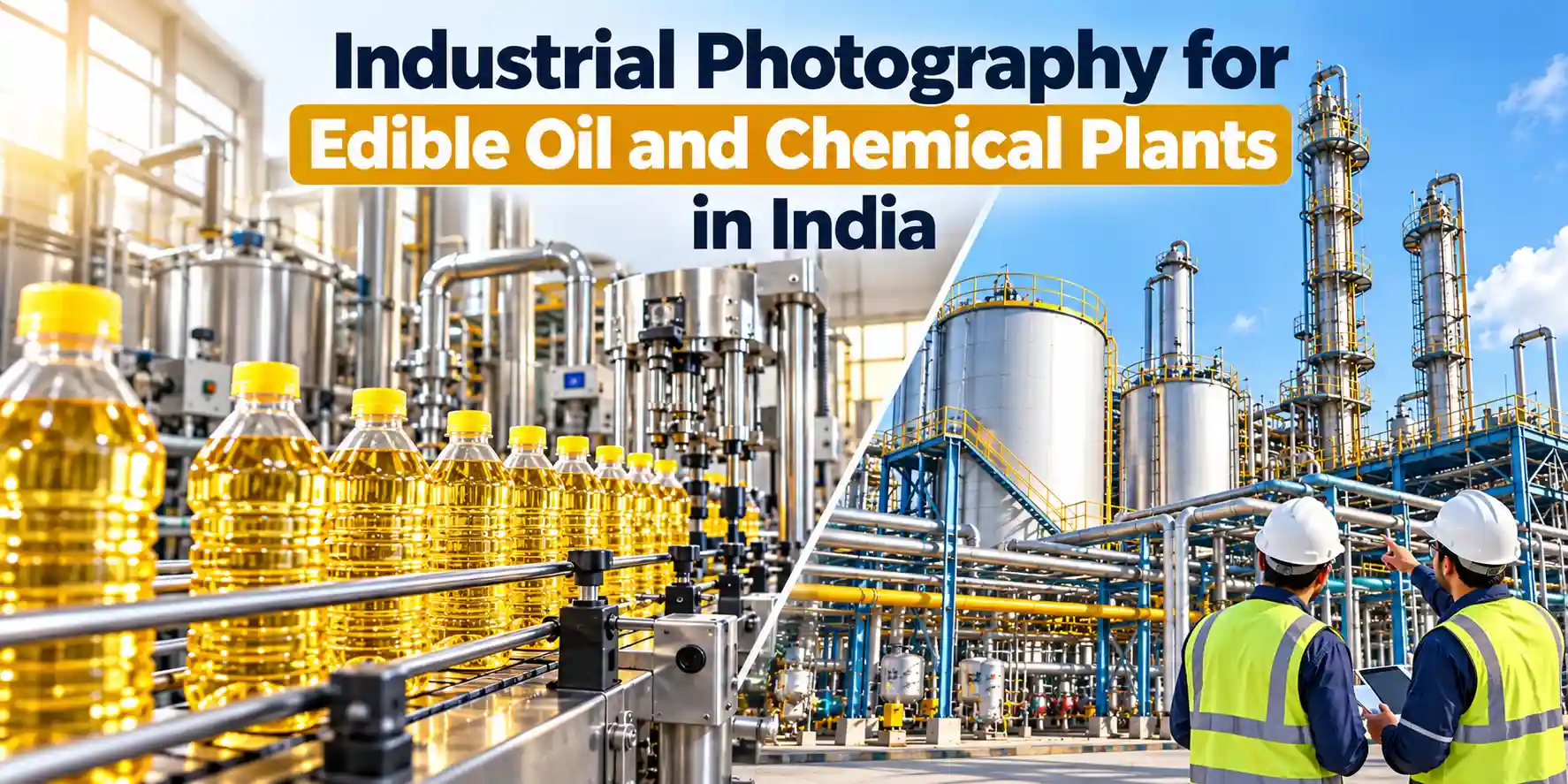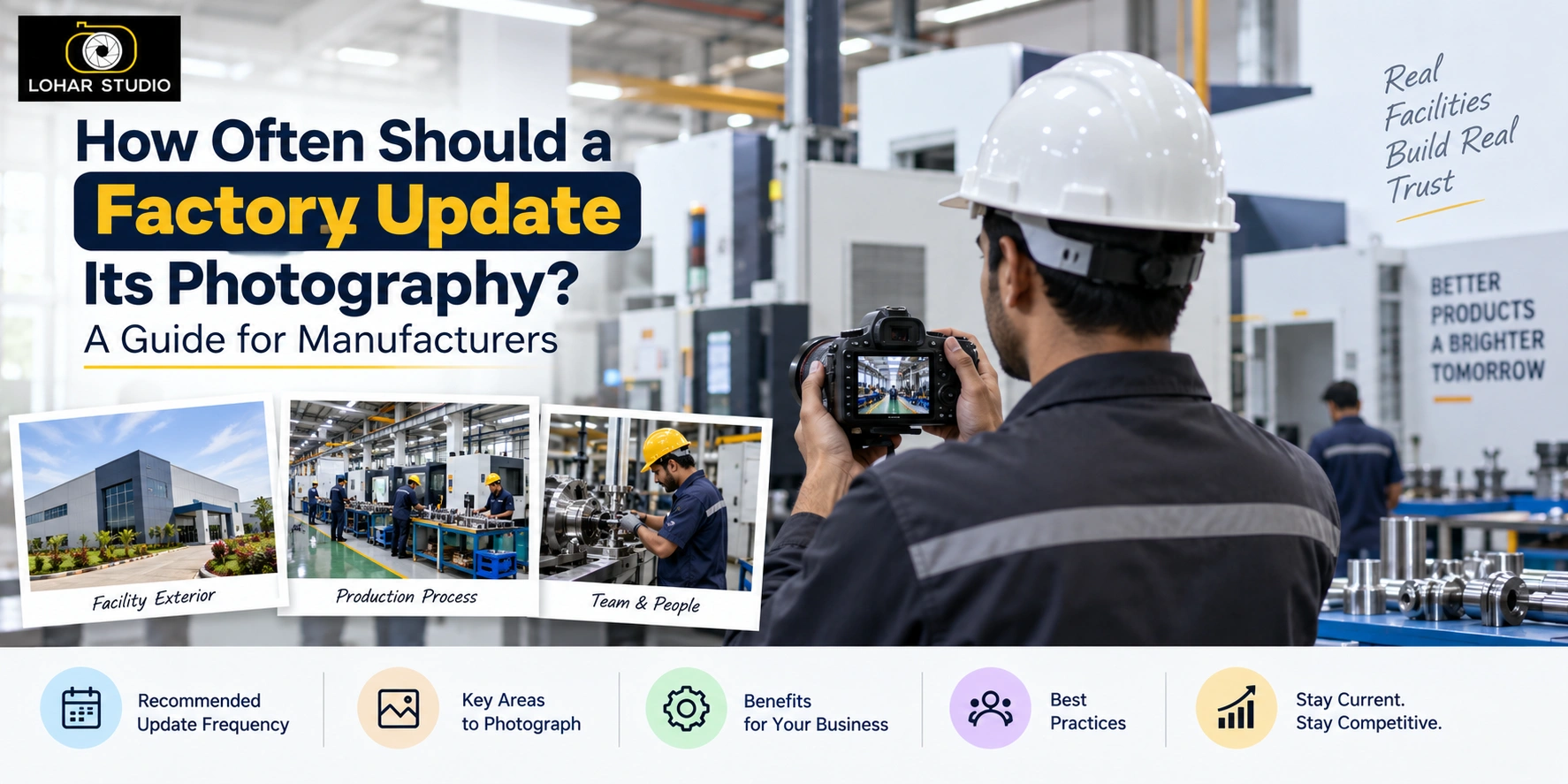


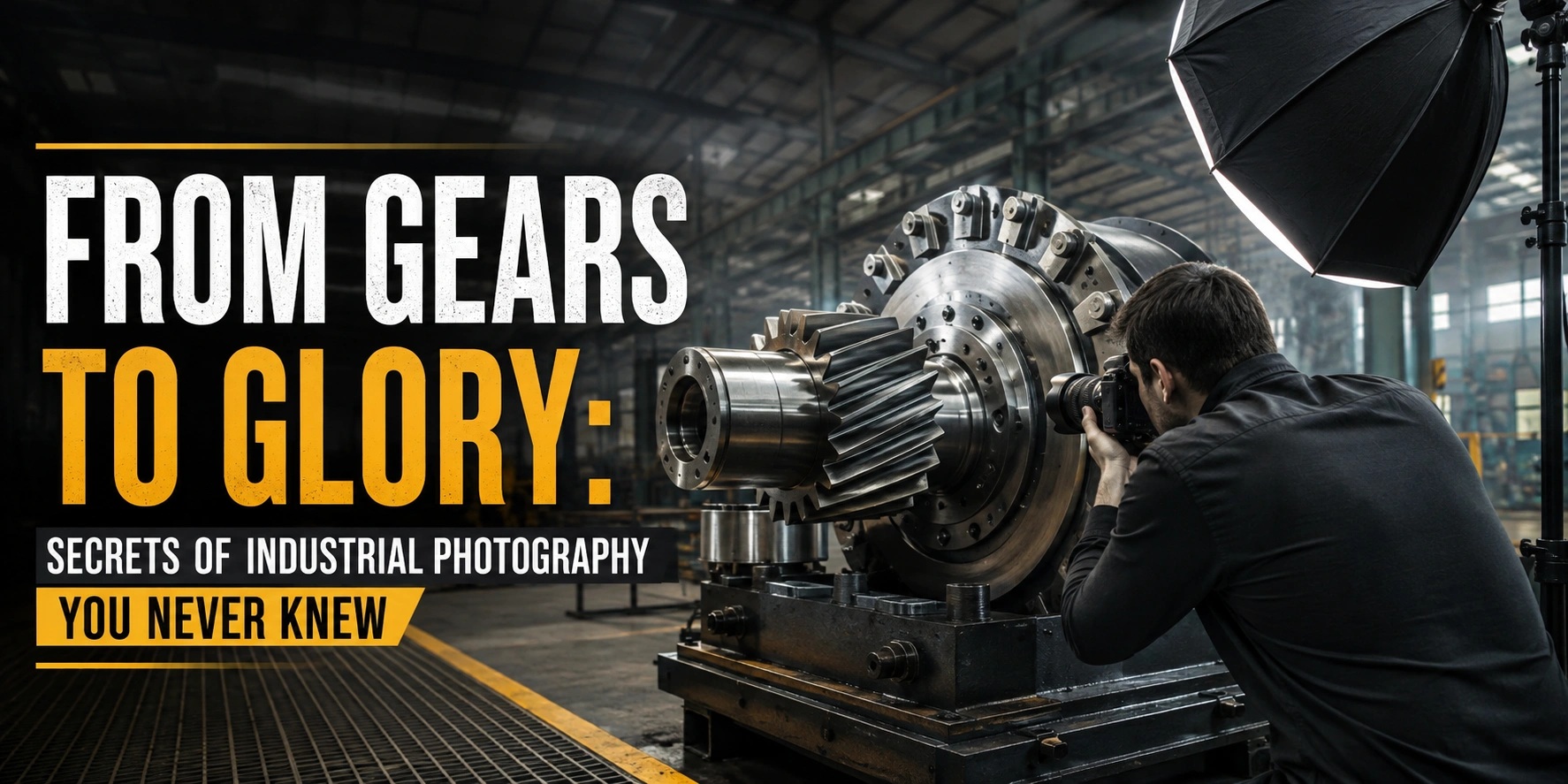
Introduction: The Secrets Behind Every Great Industrial Photograph
Most people think industrial photography is simple — walk into a factory, point a camera at the machines, and shoot. In reality, the difference between a flat, forgettable factory picture and one that makes a manufacturer look world-class comes down to a handful of things most photographers never talk about publicly: how they get real access on the shop floor, how they tame lighting that would ruin an ordinary camera, and how they avoid the mistakes that quietly kill 90% of industrial shoots.
At Lohar Studio, we’ve shot factory floors, production lines, and industrial estates across Delhi, Noida, Gurgaon, and the wider NCR belt. This guide shares the real, on-the-ground secrets that separate a professional industrial photoshoot from an amateur one — the things you only learn after shooting inside dozens of working factories.
Secret #1: Getting Real Access — The Permission & Trust Protocol
Amateurs show up with a camera and hope for the best. Professionals earn access before they ever unpack their gear. A working factory is not a studio — it's someone's livelihood, and rushing in disrupts operations and puts the shoot at risk.
-
Written permission first: Always confirm shoot approval with factory management in advance, including which sections are off-limits (R&D areas, client-confidential lines, or safety-restricted zones).
-
A pre-shoot recce: A short site visit before the actual shoot day lets the photographer map good angles, spot lighting problems, and plan around machine schedules — instead of discovering all of this while the clock is running.
-
Letting staff get comfortable: Workers who are used to a camera in the room look natural. Workers who are startled by one look stiff and self-conscious in every frame. A few minutes of introduction before shooting makes a visible difference in the final images.
Secret #2: Taming Impossible Light Inside a Factory
This is the single biggest technical challenge in industrial photography — and the reason so many factory photos come out either too dark, too harsh, or unevenly lit. Factories are rarely designed with photography in mind: think mixed light sources, deep shadows between machines, and pools of blinding overhead light next to near-total darkness.
-
HDR bracketing: Shooting multiple exposures of the same frame and blending them captures detail in both the bright sparks/windows and the dark machine bays — something a single exposure simply cannot do.
-
Portable LED panels & strobes: For tunnels, engine rooms, or enclosed machine bays with almost no ambient light, portable continuous LED lighting fills the gap without disturbing plant operations the way a flash burst can.
-
Softboxes & reflectors: Diffusing harsh overhead factory lighting with a softbox removes ugly hotspots on metal and glass surfaces; reflectors bounce light into shadow gaps between machinery without adding new equipment to the frame.
-
Working with practical light: Sparks, molten metal glow, and warning lights are not problems to fix — used deliberately, they become the most dramatic, authentic part of an industrial photograph. A common post-processing trick: shoot a normally-exposed frame and a spark-only frame, then use layer masking to selectively paint the spark highlights back in without blowing out the rest of the image.
Industrial Photography in Delhi
Thousands of manufacturing companies across Delhi NCR still use dark, blurry mobile phone images on their websites, brochures, and...
Explore Industrial Photography in DelhiSecret #3: The Composition Trick That Makes Machines Look Powerful
The same machine can look either massive and impressive, or small and forgettable — entirely depending on how it’s framed. Professionals switch deliberately between two opposing techniques:
-
Wide-angle for scale: A wide lens shot from a low angle exaggerates the size of production lines and heavy machinery, communicating the scale of an operation in a single frame.
-
Macro for texture and precision: Tight close-ups of gears, welds, dials, and tooling reveal the craftsmanship and precision that a wide shot glosses over — and are often the images that perform best on a website or brochure.
-
Including the human element: A machine photographed alone has no sense of scale. The same machine with an operator working at it instantly communicates size, purpose, and real-world context.
Secret #4: Safety Isn’t Optional — What Actually Happens If You Skip It
This is the secret least talked about publicly: a photographer who ignores factory safety protocol doesn’t just risk an accident — they risk getting the entire shoot shut down mid-session, damaging the client relationship, and in serious cases, causing real injury on a live production floor.
-
PPE compliance: Hard hats, safety vests, closed-toe shoes, and any site-specific gear are non-negotiable — the same rules that apply to plant staff apply to anyone carrying a camera onto the floor.
-
A safety briefing before shooting: Understanding which machines are live, which zones have moving parts, and where not to stand takes five minutes and prevents accidents.
-
Never disrupting operations: A professional plans shots around the production schedule instead of asking operators to pause machinery for a photo — both safer and far less disruptive to the client’s output.
Secret #5: Why Research Beats Guesswork Every Time
The best industrial photographs come from photographers who understand what they’re shooting, not just how to shoot it. Knowing what a particular machine does, why a process matters, and what makes a client’s operation different from a competitor’s changes what a photographer chooses to frame — and it’s the difference between generic factory photos and images that genuinely tell a brand’s story. A short conversation with the plant manager before the shoot, covering the process flow and what the client actually wants to communicate, pays off in every frame that follows.
7 Costly Mistakes That Ruin Industrial Photoshoots
Factory & Industrial Photography in Noida
Noida is not just another Delhi-adjacent industrial area — it is a planned city with a distinct industrial identity built ar...
Explore Factory & Industrial Photography in Noida-
Relying only on ambient light without correcting for the harsh contrast typical of factory environments.
-
Skipping the safety briefing and shooting near live machinery without clearance.
-
Ignoring background clutter — stray cables, pallets, or waste bins in frame make even a well-lit shot look unprofessional.
-
Leaving out the human element, which makes machinery-only shots feel cold and lose any sense of scale.
-
Shooting without a pre-shoot recce, leading to wasted time discovering problems on the actual shoot day.
-
Using only one lens or angle, missing the texture/detail shots that make the strongest marketing images.
-
Disrupting production to force a shot, instead of working around the plant’s live schedule.

What to Look for When Hiring an Industrial Photographer
When hiring an industrial photographer, trust and hands-on experience matter more than a fancy camera. Look for:
-
Real factory-floor experience: Studio portrait skills don’t automatically translate to knowing how to light a machine bay or work safely around moving equipment.
-
A genuine industrial portfolio: Ask to see actual factory and manufacturing shoots, not just product photography with an industrial backdrop.
-
Experience across client types: Photographers who’ve worked with manufacturers, exporters, and industrial estates across Delhi, Noida, and Gurgaon understand the compliance and access norms specific to each.
For the branding impact of great industrial photography, see our guide on 10 ways professional factory photography improves your brand, and for a full breakdown of uses, pricing, and process, read our complete industrial photography guide. If you want to know where India’s biggest factory clusters are, check out our roundup of top industrial hubs in Delhi NCR.
FAQs: Industrial Photography Insider Questions Answered
1. What is industrial photography, and how is it different from regular photography?
Industrial photography documents factories, machinery, workers, and operational processes for marketing, branding, and internal use. Unlike studio photography, it happens inside working environments with real safety constraints, mixed lighting, and moving equipment — requiring specialised technical and safety skills.
2. What lighting techniques work best for photographing dark or low-light factories?
Factory & Industrial Photography in Gurgaon
Gurgaon (Gurugram) is unlike any other industrial area in NCR. It is the region's corporate-industrial city, where auto-ancillary...
Explore Factory & Industrial Photography in GurgaonHDR bracketing, portable LED panels, and softboxes are the go-to techniques. HDR blends multiple exposures to hold detail in both bright and dark areas, while LED panels and softboxes fill dark machine bays and diffuse harsh overhead light without disrupting operations.
3. What's the difference between wide-angle and macro shots in an industrial shoot?
Wide-angle shots from a low angle exaggerate scale and are used to show the size of a production line or facility. Macro shots capture close-up texture and detail — gears, welds, tooling — and are what usually make the strongest individual marketing images.
4. What are the most common mistakes in industrial photography?
The most frequent mistakes are relying only on ambient light, skipping the safety briefing, leaving background clutter in frame, excluding people (which removes any sense of scale), and shooting without a pre-visit to plan angles and lighting.
5. What safety precautions should an industrial photographer follow inside a factory?
Wearing required PPE (hard hat, safety vest, closed-toe shoes), attending a pre-shoot safety briefing to identify live machinery and restricted zones, and planning shots around the production schedule rather than interrupting it.
6. Do I need special permits or permissions for a factory or industrial photoshoot?
Yes — written approval from factory management is standard practice, along with clarity on any restricted areas such as R&D zones or client-confidential production lines before the shoot day.
7. How do I prepare my factory or site before a professional shoot?
Corporate Event Photography in Delhi
A company's website, LinkedIn, and marketing decks often carry outdated or amateur photos long after the office, team, or leadersh...
Explore Corporate Event Photography in DelhiClean and declutter the areas being photographed, confirm machine operating schedules with the photographer in advance, brief staff so they're comfortable on camera, and flag any safety-restricted zones ahead of time.
8. What equipment does a professional industrial photographer use?
A typical kit includes a full-frame DSLR or mirrorless camera, wide-angle and macro lenses, a tripod for HDR bracketing, portable LED lighting or strobes with softboxes/reflectors, and PPE for safe movement around machinery.
9. What's the difference between manufacturing photography and industrial photography?
The terms overlap heavily and are often used interchangeably. In practice, "manufacturing photography" usually emphasises the production process itself (assembly lines, workflow), while "industrial photography" is the broader umbrella that also covers facilities, machinery, and industrial products more generally.
10. How long does a typical industrial or factory photography shoot take?
A standard factory shoot runs a few hours to a full day depending on the facility's size and number of areas covered; shoots that combine photography with videography typically take longer to accommodate both setups.
Conclusion & CTA
Great industrial photography isn’t about expensive gear — it’s about access, light, safety, and composition working together, executed by someone who understands factory environments inside out. Whether it’s for marketing, investor presentations, or internal documentation, a professional industrial photographer in Delhi ensures your factory shoot reflects the true scale and precision of your operations.
Ready to capture your industrial environment with precision and style? Connect with Lohar Studio today and elevate your visual storytelling.
If you're looking to enhance your brand’s presence on leading e-commerce platforms like Amazon, Flipkart, Myntra, Meesho, TataCliQ, Snapdeal, and Ajio, Lohar Studio is your go-to destination. Our team specializes in delivering high-quality images for fashion items, footwear, automotive products, medical photography, business headshots, and corporate shoots. We serve Delhi, Noida, Gurgaon, Faridabad, and Ghaziabad, offering professional results that boost conversions and elevate your brand’s image. Get in touch today at +91 9312070458 or visit us at A1/58, 1st Floor, Sector 6 Rd, Pocket 1, Sector 6A, Rohini, Delhi, 110085, to schedule your next shoot!

Written from hands-on experience shooting for 4000+ brands - practical, field-tested photography advice, not just theory.