











The Sacred City Manufacturing Shadow — Why Varanasi's Industrial Identity Needs Documentation to Exist
When a sourcing manager in Singapore, a procurement officer in Frankfurt, or a corporate buyer in Chennai hears "Varanasi," they think of one thing — and it is almost certainly not a production floor.
Varanasi carries perhaps the most powerful non-industrial identity of any manufacturing city in India. It is the ancient city of the Ganges, one of the world's oldest continuously inhabited cities, the spiritual capital of Hinduism, a global pilgrimage destination, a UNESCO intangible cultural heritage site for Banarasi silk weaving. That identity is total. It occupies the entire mental image most people hold of the city — including buyers who are actively evaluating Varanasi-based suppliers.
The result is an industrial visibility problem that has no parallel in this series. A Varanasi manufacturer — whether a Banarasi silk exporter, a precision engineering supplier in the DLW ancillary belt, a brass goods exporter, or a pharmaceutical unit supplying institutional buyers across India — operates in a city whose global reputation has nothing to do with what they make. Their facility exists, their production is real, and their quality may be exceptional. But the buyer's mental map of Varanasi provides no room for any of it.
Professional industrial photography in Varanasi is what makes the manufacturing identity visible to an outside buyer. It doesn't override the city's cultural identity — it exists alongside it, in a completely different register. A buyer reviewing professional facility photographs of a Varanasi silk loom unit or a Karkhiyana engineering workshop doesn't stop associating Varanasi with the Ghats. But they begin to associate it with your production floor, too. That shift — from cultural image to verified supplier identity — is what the documentation creates.
Lohar Studio's industrial photography in Varanasi is built to create this shift. Systematically. For buyers who have never visited the city and may not visit before making their first sourcing decision.
Varanasi's Industrial Landscape — Sectors, Zones, and Manufacturing Identity
Varanasi's manufacturing geography is spread across the city and its outskirts in clusters that bear no resemblance to the ghats-and-temples image the city carries internationally. Understanding the zones, what they produce, and what documentation each requires is essential for any serious industrial photography engagement here.
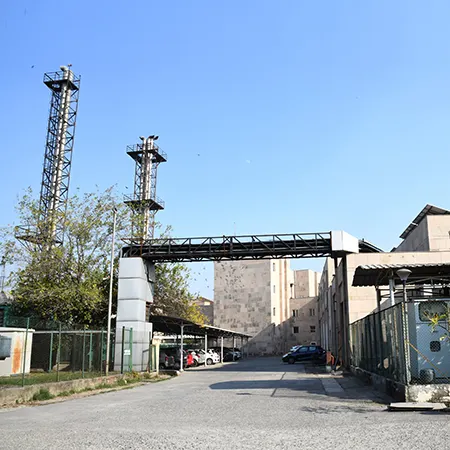
Pahadia Industrial Area (UPSIDC-planned) is the primary formal industrial zone on the western edge of the city — home to engineering fabricators, chemical goods producers, plastic goods manufacturers, pharmaceutical units, FMCG processors, and general light manufacturing. UPSIDC-allotted plots with defined infrastructure and a diverse manufacturing mix that has expanded over the past two decades.
Ramnagar Industrial Area sits across the Ganges on the eastern bank — an older, established cluster with textile units, chemical manufacturers, engineering fabricators, and mixed industrial operations. Ramnagar has been a base for manufacturing businesses operating in the shadow of Varanasi's cultural prominence for generations.
Karkhiyana and the DLW Ancillary Belt cover the engineering and precision manufacturing cluster that has grown around the Diesel Loco Works campus over the decades. Precision component manufacturers, metal fabrication shops, electrical sub-assembly units, and engineering services businesses have established operations in this zone — forming Varanasi's most concentrated engineering manufacturing cluster.
Babatpur Manufacturing Locality, near Lal Bahadur Shastri International Airport, covers food processing units, light manufacturing, and logistics-linked production businesses. Airport proximity makes it particularly relevant for time-sensitive export manufacturers.
Silk Weaving Localities — Madanpura, Lallapura, Peeli Kothi are the home-workshop and small-unit clusters where Banarasi silk weaving operates. Unlike large factory floors, Banarasi silk production is primarily conducted in residential-industrial hybrid spaces — single homes with two or more power looms, small sheds with multiple handloom operators, family-run units producing GI-tagged fabric and sarees for export and domestic premium trade. Documentation for these units requires a fundamentally different approach from a standard production floor shoot.
The DLW Spotlight — What India's Largest Locomotive Manufacturer Means for Varanasi's Industrial Identity
Diesel Loco Works (DLW), established in Varanasi in 1956, is one of India's largest locomotive manufacturing units. Its presence in the city — with thousands of direct employees, complex multi-stage engineering operations, and decades of precision manufacturing — establishes Varanasi as a serious engineering city by any objective measure.
DLW itself is a government enterprise. But its presence has generated a substantial private ecosystem: precision component suppliers, metal fabrication units, electrical sub-assembly manufacturers, and engineering services businesses that supply into the DLW production chain and serve broader industrial clients across the region. These private engineering units — operating in Karkhiyana and surrounding areas — are serious manufacturing businesses with the same documentation requirements as any industrial manufacturer. When a buyer in another city is evaluating a Varanasi engineering supplier, the DLW context provides industrial credibility for the city. Documentation of the facility makes the specific supplier's credentials verified and visual.
Industrial Photography Services in Varanasi — Documentation by Sector
Varanasi's manufacturing diversity means that industrial photography here is not one service applied uniformly across a production floor. The following scope reflects what each major sector requires for documentation that works for its specific buyers.
- Silk, Handloom and Textile Unit Documentation: Banarasi silk weaving operates in environments ranging from single-room home workshops to larger power-loom units — each requiring careful lighting calibration for silk surfaces, which reflect and absorb light differently from standard industrial materials. Coverage includes active loom operation, yarn and thread detail photography, weave-in-progress imagery, artisan-at-work photographs for craft differentiation, finished fabric and saree photography in controlled setups, and export catalogue-ready product images. For exporters supplying to international buyers, documentation also covers quality inspection and finishing stage photography that communicates production process authenticity alongside product quality.
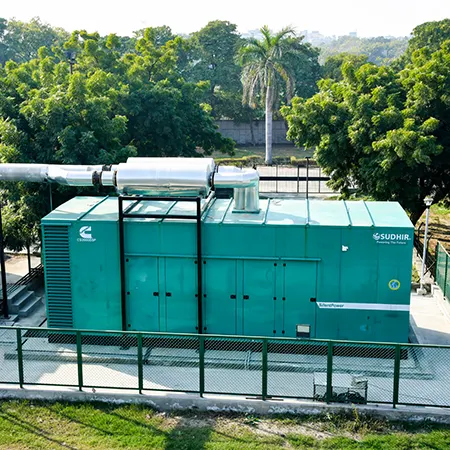
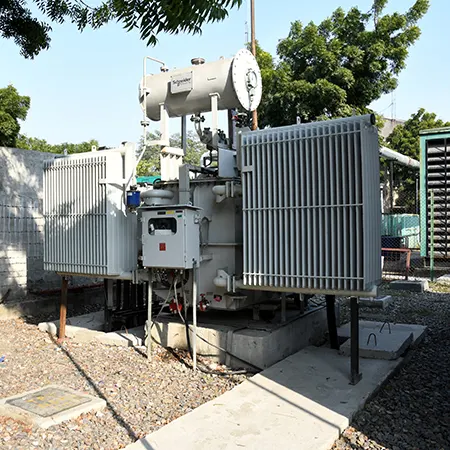
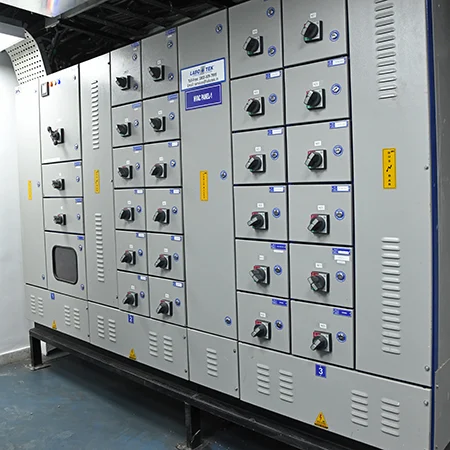
- Engineering and Precision Component Manufacturing Documentation: For Karkhiyana-area engineering units and DLW ancillary suppliers, documentation covers precision machinery (CNC, lathe, milling, grinding), component fabrication stages, quality check and measurement instrumentation, assembly line coverage, finished components in calibration setups, and facility overview with address context. Engineering documentation is built to communicate production capability and precision standards to institutional buyers, corporate procurement teams, and export clients who need supplier evidence before onboarding.
- Brass and Metal Handicraft Workshop Documentation: Varanasi's brass and metal handicraft sector — producing idols, puja items, decorative goods, and export-oriented metalware — requires documentation that captures both the craft process and the production scale. Coverage includes artisan-level detail photography of metalwork in progress, surface finishing operations, polishing stages, quality inspection for export compliance, and finished goods photography in controlled setups for buyer catalogues. For manufacturers seeking Handicraft Photography documentation that communicates craft authenticity alongside production capacity — particularly for export buyers who require evidence of authentic artisan origin — this is the core deliverable.
- Chemical, Rubber, and Industrial Goods Documentation: Chemical manufacturers and rubber goods producers in Pahadia and Ramnagar require process-stage photography, storage area documentation, safety protocol imagery, and machinery coverage — calibrated for the specific surface types and lighting constraints of chemical processing environments. Equipment, mixing vessels, production lines, and quality testing areas are covered systematically.
- Pharmaceutical and Healthcare Unit Documentation: Pharmaceutical manufacturers in Varanasi supply to institutional buyers, hospital procurement networks, and export markets. Documentation covers formulation processing areas, filling and packaging lines, QC laboratory photography, controlled-environment coverage where applicable, and finished goods in controlled setups for institutional buyer compliance packages. Medical Photography for healthcare product manufacturers requiring finished product documentation alongside factory floor coverage is scoped as part of the same engagement.
- Food Processing and FMCG Manufacturing Documentation: Food processing and FMCG producers in the Babatpur and Pahadia zones require production floor coverage, packaging line photography, QC documentation, and finished goods photography formatted for retail buyer presentations and institutional procurement listings. FMCG Photography for packaged goods requiring dedicated product catalogue imagery is scoped alongside factory floor documentation.
- Industrial Videography for Varanasi Manufacturers: Production floor reels (60–90 seconds), sector-specific process walkthrough films, craft documentation sequences for handloom and artisan units, and capability presentation videos. Particularly valuable for Varanasi exporters presenting to international buyers — silk buyers in Europe and the US, handicraft importers in the Middle East, engineering procurement managers in other states — who cannot visit Varanasi before making their first sourcing decision.
Pre-Shoot Coordination for an Outstation Shoot in Varanasi
Varanasi is an outstation location for Lohar Studio — approximately 800 kilometres from our Delhi base, and the farthest outstation city in our current engagement geography. All Varanasi shoots are planned engagements. The pre-shoot coordination is correspondingly detailed to ensure the shoot day is fully productive before any travel is scheduled.
- Initial inquiry and remote brief: Start with an inquiry via our Contact Us page. Share your unit's location in Varanasi (Pahadia, Ramnagar, Karkhiyana, Babatpur, or silk weaving locality), the sector you operate in, a description of your production space — whether it is a large UPSIDC-allotted factory floor, an engineering workshop, or a home-based handloom setup — and the primary purpose for the images. This determines the shoot plan, equipment selection, and logistics entirely.
- Video call pre-assessment: For Varanasi, as an 800km outstation location, the video call pre-assessment is more detailed than for shorter-distance shoots. We walk your production space virtually — reviewing floor layout, natural and artificial light conditions across all zones, the specific surfaces involved (silk, brass, chemical equipment, precision machinery), and any access or safety constraints. For silk weaving units, this call covers how many looms are active at different times, what the light environment looks like in the weaving space, and what finished goods need catalogue photography. For engineering units, we map every zone to document and review the machinery types, surface finishes, and lighting challenges across each area.
- Shoot-day arrival and walkthrough: On arrival in Varanasi, we conduct a physical walk of all confirmed zones before any setup — verifying conditions against the video call assessment, noting any changes, and finalising the shot sequence for the day.
- Lighting and equipment setup: Varanasi industrial environments present significant lighting variation across sectors. Silk weaving workshops often have directional window light combined with domestic overhead lighting — silk surfaces require controlled supplementary lighting to avoid overexposure on reflective areas while keeping the weaving environment authentic. Engineering and chemical units in Pahadia tend to have large enclosed spaces requiring portable lighting rigs for consistent equipment coverage. We carry calibrated supplementary lighting for every environment type encountered in Varanasi.
- Shoot execution and delivery: Photography and videography are executed zone by zone per the confirmed sequence. All file format, resolution, and naming requirements are applied as confirmed in the pre-shoot brief. Files are delivered within 24–72 hours of shoot completion via shared folder or direct transfer.
The Documentation Gap Varanasi Manufacturers Face
Varanasi's documentation gap has two layers that compound each other — and both need addressing at once.
The first is structural: most manufacturing units in Varanasi — including silk weavers, engineering suppliers, brass workshop operators, and pharmaceutical producers — have never had their production environment photographed professionally. This is common across Indian manufacturing broadly, but it is especially acute for Varanasi's cottage and workshop-scale producers, who have no history of engaging with commercial photography studios.
The second is reputational: every inquiry a Varanasi manufacturer sends to a buyer outside the city runs into the city's spiritual identity before it reaches the supplier's industrial credentials. A buyer receiving a quotation from "Pahadia Industrial Area, Varanasi" processes the city name through their existing mental model — ghats, temples, pilgrimage tourism — before they process the industrial address. The manufacturer is fighting a perception battle they didn't create and cannot win with words.
Professional industrial photography in Varanasi solves both layers simultaneously. When a Varanasi supplier sends a documentation set with professional facility images — a well-lit production floor, equipment photographs, QC stage coverage, workforce imagery, and finished goods in controlled setups — two things happen at once. The documentation establishes that the production facility is real, serious, and capable. And it replaces the buyer's default mental image of Varanasi with a specific, verifiable picture of a specific, verifiable factory. Both effects are necessary. Only the images create both.
Why Lohar Studio for Industrial Photography in Varanasi
There are specific reasons to commission industrial photography in Varanasi from a studio that understands both the outstation logistics and the sector-specific documentation requirements this city demands.
- Outstation shoot experience at this distance: At 800 kilometres, a Varanasi engagement requires more pre-shoot planning, equipment preparation, and schedule management than any shorter-distance shoot. Lohar Studio has built an outstation shoot methodology across multiple UP manufacturing cities — Moradabad, Kanpur, Lucknow — progressively extending its geography. Every element of a Varanasi shoot day is planned before travel is confirmed.
- Sector preparation that matches Varanasi's actual manufacturing mix: Varanasi does not have a single dominant sector. Silk and handloom documentation requires entirely different lighting and positioning than engineering machinery photography, which differs again from brass workshop documentation, pharmaceutical cleanroom coverage, and chemical equipment photography. Lohar Studio prepares sector-specifically for each Varanasi project.
- Workshop-scale and home-unit experience: A significant portion of Varanasi's textile manufacturing happens in small workshops and home-based units, not large factory floors. Lohar Studio's Varanasi scope covers these environments explicitly — with portable lighting rigs, positioning strategies for compact spaces, and documentation approaches that make a home loom unit look serious and professional without misrepresenting its scale.
- Documentation built for the buyer, not just the factory: Varanasi manufacturers need documentation that works for buyers who have no existing mental image of the city as an industrial location. Every image is composed with that credibility gap in mind — showing what the facility is, not just what it looks like.
Coverage — Varanasi Industrial Areas We Serve
Lohar Studio serves manufacturing units across Varanasi's major industrial and production zones — Pahadia Industrial Area (UPSIDC), Ramnagar Industrial Area, Karkhiyana engineering cluster, Babatpur manufacturing locality, and the silk weaving localities of Madanpura, Lallapura, and Peeli Kothi. Coverage extends to any manufacturing unit within the Varanasi district.
For Varanasi-based businesses that also need Garment Photography for their textile and apparel production lines — particularly relevant for handloom and power-loom exporters who need finished fabric and garment product photography alongside weaving floor documentation — that service is available as part of the same outstation shoot engagement. Handicraft Photography for brass and metalwork exporters, FMCG Photography for packaged goods manufacturers, and Medical Photography for pharmaceutical unit product documentation can each be scoped into the same project.
Portfolio — Industrial Photography Samples
We share portfolio samples matched to your sector and documentation purpose at the inquiry stage. For Varanasi manufacturers, this means samples from textile and handloom unit shoots, engineering and precision component floor documentation, brass and metalwork workshop photography, pharmaceutical unit coverage, and chemical and FMCG manufacturing documentation. Reviewing our work before confirming a project is built into how we work — not an extra step you have to ask for.
Pricing — Industrial Photography in Varanasi
Industrial photography in Varanasi starts from ₹14,999 per day. For outstation shoots at this distance, the total project cost includes the day rate plus travel and logistics — confirmed transparently in the project quote before the shoot is scheduled. No charges are added after confirmation.
A standard day covers the primary production area, machinery or equipment documentation, QC or finishing area, and team photography. Silk weaving units and workshop-scale operations are scoped based on space layout and zone count confirmed in the video call. Projects combining photography and videography, or multi-zone engagements across different Varanasi localities, are scoped after the pre-shoot call.
10% referral credit is available for any confirmed project referral.
For scope discussion, video call booking, and project quote for your Varanasi unit, reach out via our Contact Us page.
E-E-A-T — Experience, Expertise, Accountability
Lohar Studio has been delivering industrial photography since 2010, founded by Sanjay Babu Lohar. The studio has built its outstation shoot practice across multiple UP manufacturing cities — Moradabad, Kanpur, Lucknow, and Varanasi — and Varanasi represents the farthest outstation engagement in its current project geography.
Industrial photography in Varanasi requires preparation that spans the full range of the city's manufacturing sectors: silk and handloom documentation methodology, engineering and precision component photography, brass and metalwork workshop coverage, pharmaceutical facility documentation, and chemical manufacturing photography. No two sectors overlap in their lighting requirements, documentation standards, or buyer use cases. Lohar Studio prepares sector-specifically for each Varanasi project — not with a generic factory photography approach applied uniformly.
For Varanasi manufacturers, the accountability structure is clear: every scope, quote, and delivery timeline is confirmed in writing before travel is scheduled. The photographer who conducted the video call pre-assessment is the one who arrives on shoot day. No handoffs, no substitutions.
Studio address: A-1/58, 1st Floor, Sector-6, Rohini, Delhi – 110085 Phone / WhatsApp: +91-9312070458 Email: contact@loharstudio.com