











The Sugarcane Economy's Documentation Void
Hardoi sits deep in UP's sugarcane belt. Sugarcane is not just an agricultural crop here — it is the engine of an entire manufacturing chain.
A single season's crush produces sugar. The molasses that remains becomes the raw material for distilleries producing industrial alcohol, country liquor, and ethanol. The press mud and bagasse generated by-products are processed further into fertilizer supplements, power generation fuel, and cattle feed. The sugar itself feeds wholesale distributors, FMCG blending operations, and institutional food buyers. The ethanol moves into the pharmaceutical supply chain, sanitizer manufacturing, and chemical processing. What starts as one crop becomes five or six distinct industrial products — each with its own buyer, its own documentation requirement, and its own vendor qualification process.
And yet: almost none of these operations — from the sugar mill floor to the distillery bottling unit to the chemical by-product processing shed — are professionally documented at the facility level.
A sugar mill that crushes hundreds of tonnes of cane per day runs on an extraordinary amount of operational infrastructure: cane yards, carriers, crushers, juice processing, evaporators, centrifuges, graders, bagging lines, and dispatch bays. A buyer from an institutional food manufacturer wanting to shortlist a sugar supplier from Hardoi has no professional documentation to evaluate. They cannot see the QC process. They cannot see the bagging and dispatch infrastructure. They cannot assess the scale.
Industrial photography in Hardoi closes this specific gap — for sugar mills, for downstream distilleries and ethanol plants, for chemical by-product units, and for every other manufacturer in the district who operates at scale but remains entirely invisible in the buyer's assessment process.
Hardoi's Industrial Landscape — Sectors and Manufacturing Zones
Hardoi's manufacturing base is anchored by its agro-industrial economy but extends into chemical, engineering, and general manufacturing across UPSIDC industrial zones and district highway corridors.
Sugar mills and agro-processing — Hardoi district has multiple sugar mills serving as the district's most significant industrial employers and its largest buyers of raw agricultural input. These mills run seasonal crushing operations (typically October to April) and year-round dispatch, refinery, and by-product management outside crushing season. Documentation requirements cover both the active mill during crushing and the dispatch-ready facility during the off-season.
Distilleries and ethanol plants — Molasses-based distilleries in Hardoi produce industrial alcohol, rectified spirit, and ethanol under central excise and state excise licensing. Ethanol plants have seen significant expansion across UP under the national ethanol blending programme. For institutional buyers of industrial alcohol — pharma manufacturers, sanitizer producers, chemical compounders — vendor documentation of the distillery facility, storage infrastructure, and quality protocols is a standard procurement requirement.
Chemical manufacturing — Agricultural chemicals, fertilizers, crop protection products, and process chemicals serving Hardoi district's large agricultural base and industrial buyers across the UP market. Chemical plant documentation requirements for institutional buyers have become stringent: processing stage photography, storage compliance, safety certifications, and QC documentation are required for vendor approval across most organised chemical procurement channels.
Engineering and fabrication — Precision components, structural fabrication, agricultural equipment manufacturing, and general engineering. Engineering units in Hardoi serve both local demand and supply chains reaching Lucknow, Kanpur, and national OEM buyers.
Rice mills, flour mills, and food processing — Hardoi's agricultural processing sector includes large-format rice mills, flour mills, and dal mills serving institutional food buyers, wholesale markets, and FMCG supply chains. QC documentation and food safety compliance photography have become standard for institutional procurement.
Hardoi Industrial Area (UPSIDC) — The formally planned industrial zone on the NH-27 belt hosting medium and large manufacturing units across these sectors.
Industrial Photography Services for Hardoi Manufacturing Units
The scope below covers what a standard Hardoi project delivers across the district's manufacturing sectors. Multi-zone projects and combined photography-videography engagements are confirmed through the pre-shoot video call and site planning process.
- Production floor and processing documentation: Active floor coverage calibrated to the specific sector — sugar mill crushing operations (cane carriers, crushers, juice processing, evaporators, centrifuges), distillery processing and bottling lines, chemical plant reactor and blending zones, engineering, machining, and fabrication floors, and food processing production flows. For sugar mills, the full documentation sequence covers the material journey from cane reception through to finished packaged sugar — each stage communicates a different capability to a different buyer audience.
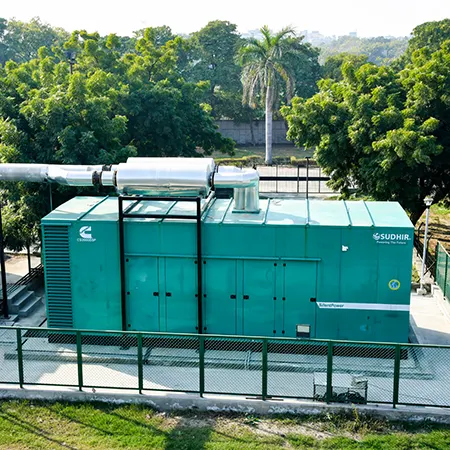
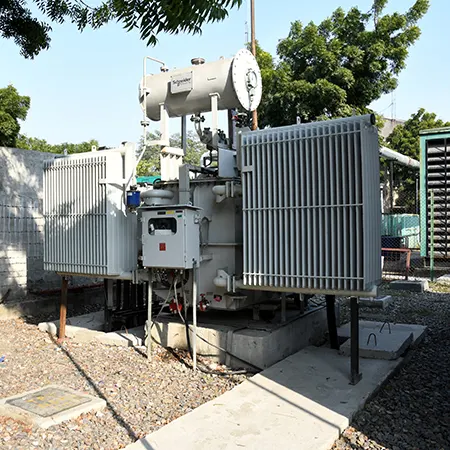
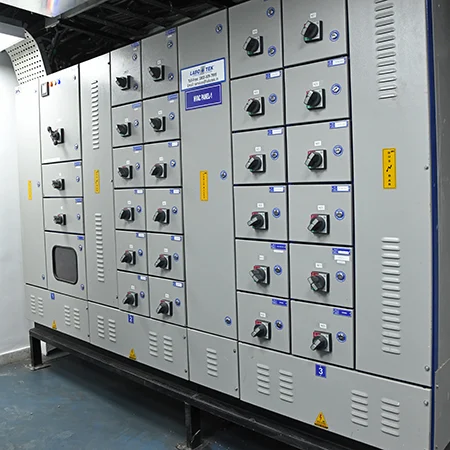
- Machinery and equipment photography: Individual machine and equipment documentation with calibrated lighting for the specific surface type, environment, and production context. For sugar mills: crushers, evaporators, centrifuges, boilers, and bagging equipment. For distilleries: fermentation tanks, distillation columns, rectification units, storage, and bottling lines. For chemical units: reactors, blending vessels, filling systems, and storage infrastructure. For engineering units: machining centres, fabrication tools, and quality inspection equipment.
- Quality control and compliance documentation: QC lab, testing equipment, sample documentation, and compliance protocol photography. For sugar mills — grading standards, polarimetry, and quality checks. For distilleries — strength testing, quality sampling, and excise compliance documentation. For chemical units — safety protocols, storage compliance, and QC procedures. For food processing — food safety systems, packaging QC, and standards compliance. This documentation layer is specifically what institutional buyers and procurement managers require for vendor approval.
- Finished goods and product documentation: Sugar in packaged and bulk forms, industrial alcohol in drummed and tanker configurations, chemical products in standard packaging, engineering components in finished arrangements, and food products in catalogue-ready setups. Product Photography for finished goods requiring dedicated catalogue-standard imagery — for FMCG buyer listings, institutional procurement catalogues, and export documentation — is scoped into the same shoot engagement.
- Dispatch, storage, and logistics infrastructure: Finished goods storage yards, bagging and packing lines, loading docks, tanker filling stations, and dispatch infrastructure documentation. For sugar mills and distilleries, the dispatch infrastructure is one of the most important documentation subjects for supply-chain buyers evaluating supplier reliability and throughput capacity.
- Team and workforce photography: Operators at production positions, QC technicians at testing stations, shift management, and executive team coverage. For Hardoi's sugar mills and distilleries, which run large workforces across multiple shifts during crushing and production seasons, workforce photography communicates operational scale in a way that facility-only documentation cannot.
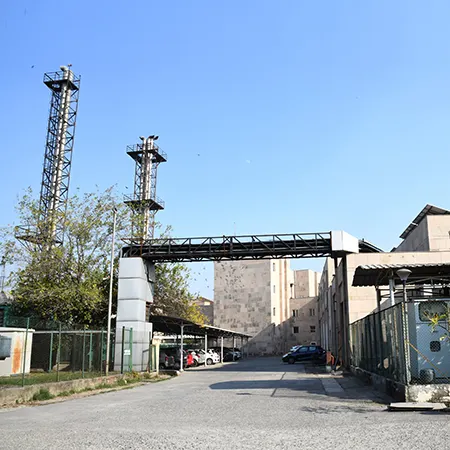
- Facility overview documentation: Exterior address photography, campus and yard overview, gate and entry documentation, facility layout coverage, and area-specific context. For institutional buyers who have never visited a Hardoi manufacturing unit, the exterior documentation establishes that this is a substantial, formally organised facility — not a small, informal operation.
- Industrial videography: Production floor reels (60–90 seconds), sugar mill crushing sequence films, distillery process capability videos, chemical plant overview sequences, and food processing capability documentation. Photography and videography are both available in a single Hardoi shoot engagement. A 90-second production capability video for Hardoi sugar mills or distilleries — showing the full operational flow from raw input to finished output — is consistently the most effective first impression for buyers who have never visited.
The Seasonal Operations Documentation Challenge
Sugar mills and agro-processing businesses in Hardoi face a documentation challenge that most other manufacturing sectors do not: their primary production operations run for a fixed season.
Crushing season typically runs from October to April. During these months, the mill is fully active — cane carriers are moving, crushers are running, juice is being processed, centrifuges are spinning, and bagging lines are loading. The facility is at maximum operational intensity and maximum visual documentation value.
Outside crushing season — from May to September — the mill is in maintenance mode, by-product processing, and dispatch operations. The crushing floor is quiet. The documentation opportunity for the most impressive visual content is gone until the next season.
The problem: institutional buyers, FMCG companies, and government procurement bodies make shortlisting decisions year-round. A food manufacturer evaluating sugar suppliers in July needs documentation from your crushing season — because that's when the facility was at its most impressive. Without a professional documentation set from peak operations, you are presenting a quiet facility to a buyer who needs to see scale and capability.
Lohar Studio plans Hardoi sugar mill and agro-processing projects with this seasonal reality explicitly in mind. If your unit is approaching crushing season and you have not yet documented it professionally, this is the right time to schedule the engagement — while the floor is active, the machinery is running, and the documentation will show exactly what a buyer needs to see.
Pre-Shoot Process for a Hardoi Industrial Photography Engagement
Hardoi is approximately 330–350 kilometres from Lohar Studio's Delhi base — a long-range outstation engagement. The pre-shoot process for Hardoi follows a detailed video call assessment before the shoot day is planned.
- Initial inquiry and brief: Begin by reaching out via our Contact Us page. Share your unit's location in Hardoi (UPSIDC Industrial Area, Sandila, Bilgram, Shahabad, or other zone), your sector — sugar mill, distillery, chemical, engineering, food processing, or other — your facility layout and zone count, and the primary buyer types you are documenting for: institutional food buyers, industrial alcohol buyers, chemical procurement, engineering supply chains, or a combination.
- Detailed video call pre-assessment: At 330–350km, the pre-shoot assessment runs as a detailed, structured video call. You walk us through your facility on video — production floor, key processing zones, QC area, dispatch and storage, and any seasonal considerations (active crushing floor vs off-season state). We assess lighting conditions, map the shot zones, identify any access or safety requirements (boiler areas, chemical storage compliance, distillery excise zone protocols), and determine whether the shoot should be planned around peak crushing season or can deliver full value in the off-season state. The video call produces a complete shot plan covering all documentation objectives before the shoot day is scheduled.
- Shoot plan and written sign-off: Following the video call assessment, we confirm the shot sequence, equipment, scheduling around crushing season or production calendar, and written approval before the shoot date is fixed.
- Shoot day — setup and execution: Our team travels to Hardoi, arriving with the full equipment setup confirmed at the video call assessment. Sugar mill environments present specific photography challenges: high-temperature areas (boiler rooms, evaporators), steam and humidity conditions, reflective metal surfaces, and mixed indoor-outdoor operational flows. Distillery and chemical environments have their own compliance and safety access requirements. Hardoi's manufacturing environments are prepared for at the planning stage — not improvised on the day.
- Delivery in 24–72 hours: All edited, formatted, and usage-ready files are delivered within 24–72 hours of shoot completion via a shared folder link. The delivery window begins from shoot completion at your Hardoi facility.
Why Lohar Studio for Industrial Photography in Hardoi
- Documentation built around Hardoi's seasonal manufacturing reality: If your business is a sugar mill or seasonal agro-processor, the timing of professional documentation matters. A shoot planned during active crushing season captures the facility at full operational intensity — the documentation that moves institutional buyers from shortlist to contract. We plan every Hardoi sugar mill project with the crushing calendar explicitly in mind.
- Downstream distillery and ethanol plant coverage: Distilleries operating on molasses from Hardoi sugar mills have their own distinct documentation requirements — excise compliance photography, storage infrastructure, production capability, and QC protocols for institutional alcohol buyers. This sector has highly specific documentation needs that Lohar Studio's industrial photography in Hardoi covers in full.
- Detailed video call pre-assessment — not a short briefing call: At this distance, the video call assessment replaces the physical pre-visit. It is a detailed, structured walkthrough of your facility — not a 10-minute overview. The shot plan produced from the video call is as precise as one produced from a physical visit. The difference is in how we get the information, not in how thoroughly we gather it.
- Photography and videography in one engagement: For Hardoi manufacturers whose buyers — particularly institutional food companies and industrial alcohol buyers — may be evaluating dozens of suppliers, a capability video of your production floor is a more powerful differentiator than still images alone. Both formats are available in a single Hardoi project.
Coverage — Hardoi and Surrounding District
Lohar Studio covers manufacturing units across Hardoi district — Hardoi Industrial Area (UPSIDC, NH-27 belt), Sandila Industrial Zone, Bilgram Manufacturing Cluster, Shahabad area units, and sugar mills, distilleries, chemical, engineering, and agro-processing businesses throughout Hardoi district. Coverage extends to any manufacturing unit in Hardoi searching for industrial photography near me in Hardoi.
For manufacturers in the broader Lucknow Division industrial belt, Lohar Studio covers adjacent industrial geographies. For the Lucknow manufacturing cluster — Chinhat, Talkatora, Amausi, pharmaceutical and engineering sectors — industrial photography in Lucknow covers those units (~100km from Hardoi). For Kanpur's industrial zones — Jajmau leather, Panki chemicals, Fazalganj engineering, Dada Nagar FMCG and pharma — industrial photography in Kanpur serves those businesses (~80km from Hardoi). For the Farrukhabad manufacturing belt — food processing, pharmaceutical, chemical, and textile sectors — industrial photography in Farrukhabad covers that geography (~100km). These pages together cover the full industrial corridor Hardoi sits within.
For Hardoi manufacturers whose finished goods — processed sugar, packaged food products, agro-based FMCG items — require FMCG Photography for institutional buyer catalogues or retail listing documentation, that service is available within the same shoot scope. Product Photography for finished manufactured goods, chemical products, and engineering components requiring catalogue-standard imagery is planned into the same project.
Portfolio — See Our Work Before You Book
Lohar Studio shares portfolio samples from comparable manufacturing sectors before any project is confirmed. For Hardoi manufacturers, this means samples from agro-processing and food manufacturing documentation, chemical and engineering plant photography, and production floor documentation from comparable industrial environments across North India. The work is what you should evaluate before hiring us — not something you verify after the shoot.
Pricing — Industrial Photography in Hardoi
Industrial photography in Hardoi starts from ₹14,999 per day. The pre-shoot video call assessment is included at no separate charge. A standard day's scope covers the primary production or processing floor, key manufacturing zones, QC and dispatch areas, team photography, finished goods in controlled setups, and full facility overview documentation.
For sugar mills requiring documentation across multiple zones (cane yard, crushing floor, juice processing, evaporators, centrifuges, bagging lines, dispatch), or for distilleries requiring multi-area coverage, or for projects combining photography and videography, the scope and total cost are confirmed at the video call assessment stage. Travel to Hardoi is included in the project quote — no charges added after confirmation.
10% referral credit applies to any confirmed project referral from your network.
For scope discussion, video call assessment scheduling, and a project quote for your Hardoi unit, reach out via our Contact Us page.
E-E-A-T — Experience, Expertise, Authority, Trust
Lohar Studio has been delivering industrial photography since 2010, founded by Sanjay Babu Lohar. Fifteen years of manufacturing documentation across Delhi NCR and North India's industrial belt includes agro-processing and sugar industry units, chemical plants, distillery and food manufacturing environments, engineering fabrication floors, and seasonal industrial operations across the UP belt.
Industrial photography in Hardoi requires specific preparation for the environments its dominant sectors create. Sugar mill environments combine high-heat areas (boilers, evaporators), steam and humidity, and the operational complexity of a multi-stage processing flow. Distillery environments include excise compliance zones, storage areas with specific access protocols, and production areas with unique lighting and equipment conditions. Chemical plant environments require safety-clearance photography planning. Each of these is addressed at the video call pre-assessment stage — not improvised on the shoot day.
Every Hardoi project is confirmed in writing before the shoot is scheduled. Scope, timeline, and all zone access requirements are documented and approved before departure from Delhi.
Studio address: A-1/58, 1st Floor, Sector-6, Rohini, Delhi – 110085 Phone / WhatsApp: +91-9312070458 Email: contact@loharstudio.com