









The Refinery City's Private Manufacturing Paradox
Mathura is one of those rare cities where an internationally recognized industrial landmark exists — and actively works against the private manufacturing sector that surrounds it.
The Indian Oil Corporation Mathura Refinery, established in 1975, processes roughly eight million metric tons of crude oil annually. It produces petrol, diesel, LPG, aviation turbine fuel, lubricant base oil, and bitumen for the national market. It is one of India's most recognized industrial operations, and its presence gives Mathura an industrial identity of a kind.
Here is the problem. When a procurement manager in Bengaluru or a buyer in Mumbai thinks of Mathura industrially, they think of the IOC refinery — a government PSU facility they cannot approach as a vendor. The private manufacturing ecosystem that exists alongside it — valve fabricators, heat exchanger units, chemical manufacturers, food processing plants, engineering workshops, auto component suppliers — is completely invisible, buried under two layers: Mathura's dominant identity as a sacred city (Krishna's birthplace, Vrindavan, the Braj pilgrimage belt) and the one industrial name associated with the city being a PSU that closes all supplier conversations before they begin.
This is a double documentation problem specific to Mathura. Outside buyers see a pilgrimage city and a government refinery. They do not see the private UPSIDC manufacturers who could be their next supplier. Professional industrial photography in Mathura breaks both layers of this invisibility — it makes private manufacturers findable, verifiable, and directly approachable by buyers who had no reason to look here before.
The Ancillary Supplier's Documentation Standard
Supplying to large industrial facilities — refineries, petrochemical plants, power stations, heavy engineering complexes — has a documentation standard that is categorically different from supplying to commercial buyers.
When a procurement team at an industrial facility shortlists a vendor for valves, flanges, heat exchangers, gaskets, safety equipment, insulation, or precision-machined components, they are not browsing a catalogue. They are running a formal vendor qualification process. It requires facility photographs, machinery documentation, quality control process evidence, material certification records, and production capacity proof — before a purchase order is even considered.
Mathura's refinery ancillary manufacturers frequently lose this evaluation, not because their facility is inadequate, but because the documentation required to submit a complete prequalification package simply does not exist. A privately held engineering unit in Mathura's industrial belt may have the CNC capacity, the quality processes, and the delivery track record to qualify as a supplier — and still lose to a competitor from another city who has professional facility photographs, a process video, and a documented QC sequence.
The same documentation standard applies when Mathura manufacturers seek contracts from power sector projects, defence ancillary procurement, or large private-sector EPC companies. In every institutional buying context, the documentary standard is the same: show us your facility, show us your process, show us your quality controls — or do not expect to be shortlisted.
Lohar Studio's industrial photography for Mathura manufacturers is built to address this specific gap. The documentation we produce meets the standard that PSU ancillary procurement teams, institutional buyers, and export-facing industrial buyers require — not just the standard that works for a website.
Mathura's Industrial Landscape
Mathura's manufacturing base is more substantial and more varied than its reputation as a pilgrimage city would suggest.
The UPSIDC industrial belt on the NH-2/Yamuna Expressway corridor houses manufacturing units across chemicals, engineering fabrication, food processing, and plastics. The refinery's presence has attracted a supplier ecosystem — valve manufacturers, piping and fitting fabricators, heat exchanger units, instrumentation equipment makers, industrial gasket and seal manufacturers — whose production quality often exceeds what their lack of documentation would allow a buyer to discover remotely.
Chemical manufacturing forms another significant layer: industrial lubricants and petroleum downstream chemicals, agricultural input chemicals (fertilizers, crop protection compounds, micronutrients), specialty industrial chemicals, and process chemicals serving the regional manufacturing corridor. Mathura's position on the Yamuna Expressway also makes it a natural location for auto component manufacturers — metal stampings, fabricated assemblies, rubber parts, and plastic moulded components serving the Delhi NCR and Agra automotive supply chains.
Food processing and FMCG manufacturing have a strong natural presence here. The Braj region is historically dairy-associated — milk products, ghee, dairy FMCG — and food processing plants serving regional and national distributors operate alongside the industrial units. Agro-processing — flour mills, dal mills, edible oil mills, and cold-chain food processing units — rounds out a UPSIDC allocation that is more diverse than Mathura's public identity reflects.
None of this is professionally documented. The gap between what Mathura manufactures and what buyers can find out about Mathura manufacturers is wide enough to lose contracts on a daily basis.
Photography and Videography Services for Mathura Manufacturers
Lohar Studio provides both photography and videography for Mathura manufacturers — structured around the documentation requirements of refinery ancillary suppliers, chemical manufacturers, engineering fabricators, and food processing units operating in the region.
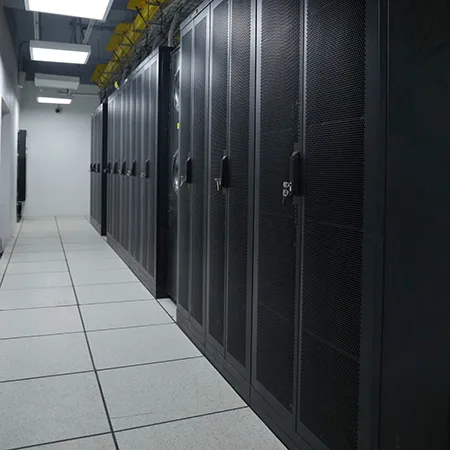
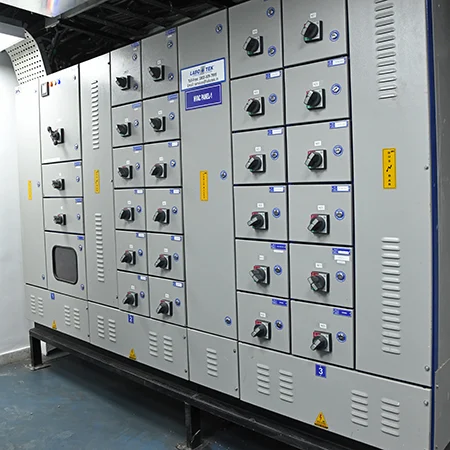
Facility and Production Floor Documentation: Complete facility coverage from raw material handling through production, assembly, quality control, and finished goods dispatch. For engineering fabrication and ancillary manufacturing units, this includes machine shop documentation, fabrication bay coverage, welding and assembly areas, pressure testing zones, and NDT/inspection stations — the specific areas that PSU and institutional buyers evaluate first in vendor prequalification.
Process Photography: Stage-by-stage manufacturing documentation that allows buyers to evaluate your process discipline without a physical visit. For chemical manufacturers, process photography covers reaction vessels, mixing systems, distillation setups, filtration units, and QC laboratory documentation. For engineering units, it covers machining sequences, heat treatment operations, surface finishing, assembly, and final inspection.
Machinery and Equipment Photography: Individual documentation of CNC machines, fabrication equipment, chemical processing vessels, food processing lines, and quality testing instruments — framed and lit to communicate machine condition, operational scale, and production capacity to buyers comparing multiple vendor profiles.
Product Photography: Finished goods documentation for institutional tenders, catalogue submissions, export buyer presentations, and e-commerce listings. Product Photography for engineering components, chemical products, and FMCG goods requires different lighting approaches and composition standards.
Industrial Videography: Factory walkthrough videos, process explainer reels, machinery capability footage, and quality demonstration videos for websites, buyer presentations, and institutional prequalification packages. For refinery ancillary suppliers, a short process capability video is frequently the most effective single document in a vendor qualification submission.
FMCG and Dairy Processing Documentation: For Mathura's dairy product, food processing, and consumer goods manufacturers, FMCG Photography covers both facility hygiene documentation and finished product imagery at the standard expected by retail buyers, food distributors, and institutional caterers.
Pre-Shoot Factory Visit for Mathura Manufacturers
Mathura is approximately 140–150 kilometres from Delhi via the Yamuna Expressway — a direct, fast drive that Lohar Studio handles as a standard day trip. Pre-shoot factory visits are a mandatory part of every engagement, not an optional preliminary.
- Schedule your factory visit through Contact Us — we will confirm a half-day visit slot aligned with your production schedule.
- We walk the complete facility — machine shop, fabrication and assembly areas, chemical processing zones, quality control stations, material storage, and dispatch. For refinery ancillary and engineering manufacturers, we specifically assess pressure testing zones, inspection bays, and QC documentation boards — the areas institutional buyers look at most carefully.
- We identify the lighting approach for each zone. Chemical process areas, machine shops, and food processing facilities each have different ambient conditions and access constraints. Planning this on-site eliminates surprises on shoot day.
- We build the documentation brief around your actual buyer profile: if your primary targets are PSU ancillary procurement teams, the brief prioritises process capability and QC evidence. If your targets are export buyers, the brief focuses on facility scale, certifications, and finished product quality. If both, we plan for both.
- You receive a written shoot-day plan — zone sequence, timing, and required floor support — before the shoot date is confirmed.
Nothing about your facility's layout, operational constraints, or documentation priorities is assumed. Every decision is made after the factory visit.
Why Lohar Studio for Mathura Industrial Photography
Lohar Studio has been documenting industrial manufacturing facilities across Delhi NCR and Uttar Pradesh since 2010. Engineering fabrication and chemical manufacturing facility photography — where documentation must meet PSU vendor qualification standards while also serving export buyer and institutional procurement requirements — is technically demanding work that requires both industrial facility experience and an understanding of how buyers use the documentation.
Every Mathura project is managed directly by Sanjay Lohar. No subcontracted photographers, no junior-team visits for outstation engagements, and no gap between what is discussed at the factory visit and what is produced on shoot day.
For Mathura manufacturers at 140–150 kilometres from Delhi, our day-trip model means you get the same direct photographer engagement, the same planning discipline, and the same 24–72 hour delivery as a client within NCR — without any coordination overhead.
All deliverables are provided within 24–72 hours of shoot day completion — edited, formatted, and ready for immediate use in PSU vendor prequalification submissions, institutional tender packages, export buyer presentations, and company websites.
Industrial Photography Coverage Around Mathura
Our documentation coverage extends across Mathura and the surrounding Yamuna Expressway corridor, the NH-2 belt, and the broader manufacturing zones of the Braj-Agra region in Uttar Pradesh.
Industrial photography in Hathras — for hing compounding, chemical, mustard oil, and engineering manufacturers in Hathras (~40km from Mathura), our facility documentation scope covers the full UPSIDC industrial belt requirements.
Industrial photography in Aligarh — for lock and precision hardware, brass fittings, and engineering component manufacturers in Aligarh (~50–55km from Mathura), the same institutional-standard documentation scope applies.
FMCG Photography for dairy-based, food processing, and consumer goods manufacturers in the Mathura-Agra corridor is part of our standard scope. Agra (~50km) and Firozabad (~60km) manufacturing units are also within our outstation coverage. Delivery across all locations: 24–72 hours from shoot day.
Portfolio and Recent Work
Our recent industrial photography across Delhi NCR and Uttar Pradesh covers engineering fabrication units, chemical manufacturing plants, FMCG production operations, and precision component manufacturers. Portfolio examples relevant to Mathura's sector mix — refinery ancillary engineering, chemical processing, food processing — are available on request before any booking decision.
We share sector-relevant examples with every enquiry so you can assess documentation quality against your own facility's requirements before committing to anything.
Pricing for Industrial Photography in Mathura
Lohar Studio's industrial photography and videography services start from ₹14,999 per day. Final pricing is based on facility size, shoot scope (photography only, videography only, or combined), and whether dedicated product photography is required alongside facility documentation.
Referral fee: clients who refer another manufacturer after their shoot is confirmed receive 10% of the referred client's project fee.
To discuss your Mathura facility documentation requirements and book a factory visit, Contact Us directly.
About Lohar Studio
Lohar Studio was founded in 2010 by Sanjay Lohar, a commercial photographer with fifteen years of specialisation in industrial, product, and architectural photography across Delhi NCR and Uttar Pradesh. Engineering fabrication and chemical manufacturing facility photography — where documentation must meet PSU vendor qualification standards while simultaneously serving export buyer and institutional procurement requirements — is one of the more technically specific briefs in the studio's scope.
Every project is managed directly by Sanjay Lohar from factory visit through final delivery. No subcontractors, no delegation of technical or creative decisions, and no loss of brief continuity between planning and execution. Clients across Mathura and the Yamuna Expressway corridor work with the same photographer from the first call through to the final deliverable.
Our work is used by clients for PSU vendor prequalification packages, institutional tender submissions, export buyer presentations, distributor onboarding materials, e-commerce catalogues, and company websites.
Delivery: 24–72 hours from shoot day completion, without exception.