









The Bedsheet Capital That Ships Without a Face
Pilkhuwa is known in the trade — genuinely known. Textile buyers, Gulf importers, procurement officers for hotel chains, and institutional buyers across India are familiar with the name. The town produces home textiles at a scale that makes it one of the most significant manufacturing clusters in western UP. Bed sheets, pillow covers, curtains, comforters, and home furnishing textiles flow out of Pilkhuwa's power loom and processing units continuously.
And yet almost no manufacturer here can show you their factory.
When a Gulf importer places a repeat order from a Pilkhuwa supplier, they are typically going on two things: a fabric sample and a price. Not a facility record. Not a verified production setup. Not documented QC. They cannot see the dyeing unit, the printing machines, the stitching lines, or the finishing floor. They are buying on a town's reputation — not from a verified individual manufacturer.
This matters because the town's collective reputation does not protect any individual manufacturer. When a buyer shifts to a different supplier, or when a new procurement relationship is being built from scratch, the manufacturer who has professional facility documentation stands apart from every other producer in the cluster who doesn't. A documented Pilkhuwa manufacturer is not just one of thousands of bedsheet suppliers — they are a specific, verifiable operation that a buyer can evaluate, qualify, and commit to with confidence.
That is the documentation gap Lohar Studio's industrial photography in Pilkhuwa is designed to close.
Photography and Videography Services for Pilkhuwa Manufacturers
Lohar Studio provides both photography and videography for Pilkhuwa manufacturers — covering the full documentation scope that textile buyers, export importers, institutional procurement teams, and product catalogue requirements demand.
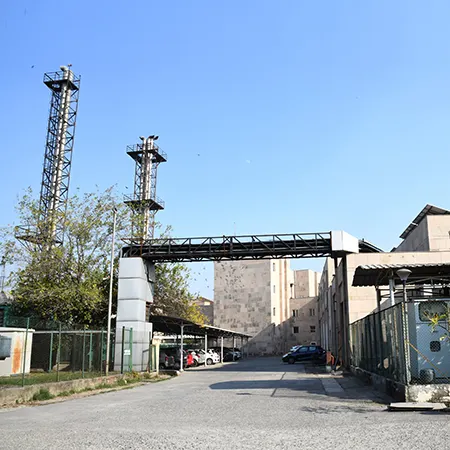
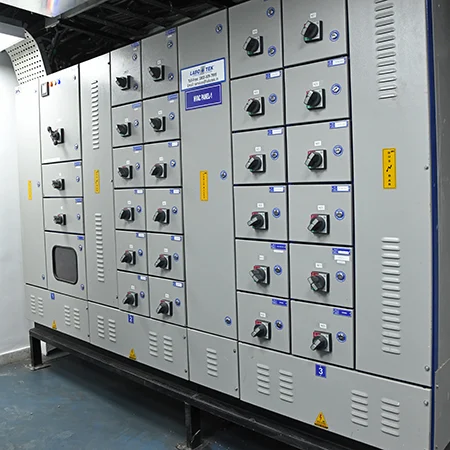
Production Floor and Facility Documentation: Complete facility coverage — raw material storage, loom hall, dyeing and printing sections, finishing operations, QC inspection areas, packing, and dispatch. For home textile manufacturers, the production floor documentation captures loom hall scale, finishing environment hygiene, and the organisation of QC and dispatch — the areas export buyers and institutional procurement teams look at most carefully in vendor qualification.
Process Photography: Stage-by-stage documentation from yarn or greige fabric input through weaving, dyeing, printing, cutting, stitching, finishing, and final inspection. For export buyers evaluating multiple suppliers simultaneously, process photography is the most direct evidence of manufacturing depth — it shows whether a manufacturer is a genuine production unit or a trading house buying from others.
Machinery and Equipment Photography: Individual documentation of power looms, flat-bed printing machines, reactive dyeing vessels, rotary printing equipment, stitching lines, fabric inspection machines, and calendering or finishing equipment — framed to communicate machine scale, operational condition, and production capacity to buyers comparing profiles remotely.
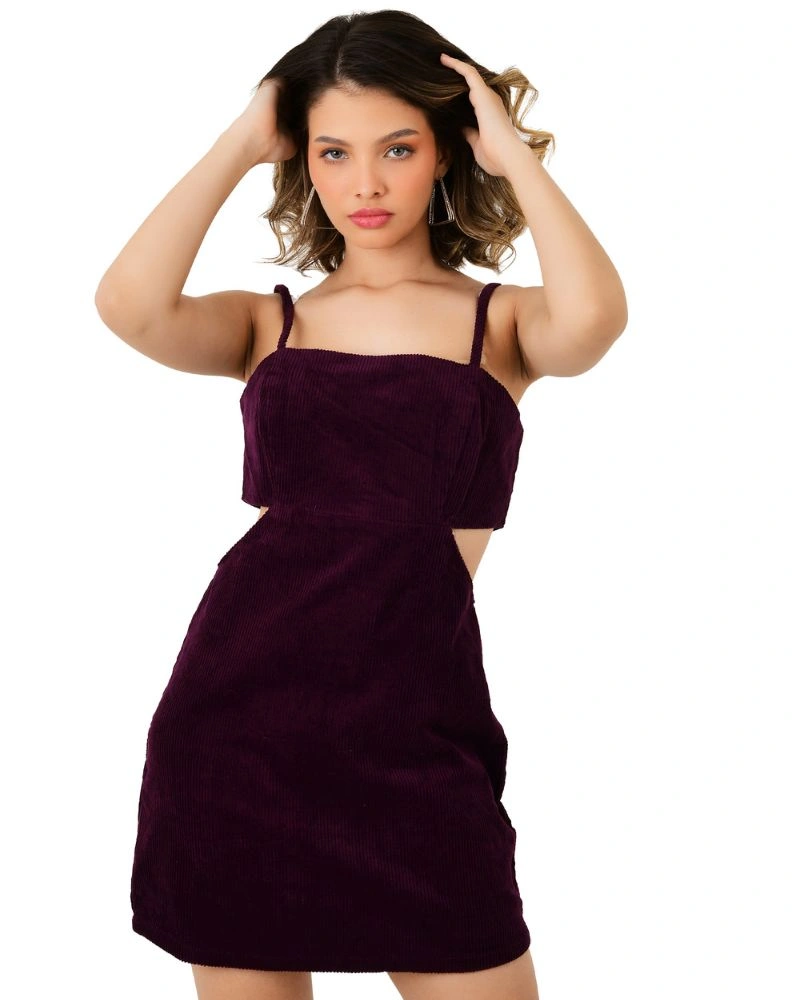
Garment and Textile Photography: For Pilkhuwa's garment and home textile producers, Garment Photography covers both the production environment — cutting, stitching, finishing, and embroidery operations — and the finished product. Home textile products for export and institutional buyers require dedicated composition and lighting: neutral backgrounds, consistent framing, and colour-accurate rendering. Garment Photography for institutional supply documentation follows the same technical standard as export catalogue photography.
Product Photography: Finished goods documentation for e-commerce listings, export buyer presentations, product catalogues, and institutional tender submissions. Product Photography for home textiles requires colour accuracy across product variants, clean packaging shots, and in-situ imagery for retail and institutional contexts. Lohar Studio handles both facility-level and Photography within the same shoot-day engagement without requiring a separate booking.
Industrial Videography: Factory walkthrough videos, loom hall footage, process explainer reels for websites, buyer presentations, and prequalification packages. For Pilkhuwa manufacturers targeting export markets, a short factory tour video covering the production floor, dyeing section, QC, and packing is the most direct buyer trust-building tool available — significantly more effective than a fabric sample alone when establishing a new buyer relationship.
What Pilkhuwa Manufactures
Pilkhuwa's manufacturing identity is centred on home textiles — but the cluster is broader than the bedsheet association suggests.
Home textile manufacturing is the dominant sector: power loom units producing greige fabric, dyeing and printing units processing finished textiles, and integrated manufacturers handling everything from yarn to finished product. Bed sheets, pillow covers, curtains, comforters, duvet covers, towels, and home furnishing textiles are produced across hundreds of small, medium, and semi-large manufacturing units. The export pipeline runs primarily to the Middle East — UAE, Saudi Arabia, Kuwait, Qatar — and East Africa, with institutional supply chains serving Indian hotel chains, hospital procurement, and government supply contracts.
Dyeing and chemical processing units form a second industrial layer — reactive dye, pigment printing, screen printing, and digital printing operations that serve both in-house textile production and job-work processing for other manufacturers in the cluster. These units require documentation of their processing environment, effluent management, and quality output — areas that international buyers and compliance-driven institutional buyers routinely assess during vendor review.
Engineering fabrication units — metal components, structural work, and machine parts serving the textile machinery and regional construction sectors — also operate within the Pilkhuwa industrial belt. Garment manufacturing units producing readymade home textiles and ready-to-wear garments complete a manufacturing profile that goes well beyond what the town's single-industry reputation suggests. None of this — the dyeing units, the printing operations, the integrated manufacturers, the engineering fabricators — is professionally documented.
The Sample-to-Supplier Credibility Gap
Pilkhuwa's textile trade runs almost entirely on samples. A buyer requests a sample, the manufacturer sends it, the buyer approves it, and the order follows — without ever seeing where the product was made.
This model works for repeat buyers with established relationships. It does not work for new buyer acquisition.
A procurement manager at a hotel chain looking to onboard a new bedsheet supplier is not going to approve a vendor based on a sample alone. They need to know that the facility producing the sample can actually produce the order at the required volume, consistency, and quality. A fabric sample can be sourced from anywhere — it proves nothing about manufacturing capability or capacity.
The same applies to export markets that are becoming increasingly compliance-oriented. Gulf-based importers, UK retail buyers, and European procurement organisations now routinely ask for facility photographs and process documentation as part of supplier due diligence. A Pilkhuwa manufacturer who relies only on samples cannot complete these qualification processes.
And beyond institutional buyers, the Pilkhuwa manufacturer competing with suppliers from Bangladesh, China, or Surat for the same export contracts is competing against manufacturers who do have facility documentation, company videos, and verified production profiles.
Professional industrial photography in Pilkhuwa breaks the sample-only dependency. It creates the verified facility record that converts sample buyers into committed procurement relationships — and opens export and institutional channels that cannot be entered without documented evidence of what the factory looks like and how it operates.
Pre-Shoot Factory Visit for Pilkhuwa Manufacturers
Pilkhuwa is approximately 50–55 kilometres from central Delhi via NH-9, a direct drive that Lohar Studio handles as a standard day trip. Pre-shoot factory visits are mandatory for every engagement, not an optional preliminary step.
- Schedule your factory visit through Contact Us — we will confirm a half-day on-site visit that works with your production schedule.
- We walk the complete facility — loom hall, dyeing and printing sections, stitching and finishing floor, QC area, packing, and dispatch. For home textile manufacturers, we specifically assess the dyeing and finishing environment and the QC and packing areas, as these are the zones export buyers and institutional procurement teams examine first in vendor review.
- We map the lighting requirements for each zone. Loom halls with roof lighting, dyeing sections with steam and condensation, and indoor finishing floors each require different setups. Planning this on-site means no equipment gaps on shoot day.
- We confirm the documentation brief: which buyer types are your primary targets, which product categories need dedicated photography alongside facility coverage, and whether a factory tour video is part of the scope.
- You receive a written shoot-day plan — zone sequence, timing, and floor support required — before the shoot date is confirmed.
Nothing about your facility's layout or production priorities is assumed in advance. Every decision is made after the visit.
Why Lohar Studio for Pilkhuwa Industrial Photography
Lohar Studio has been documenting industrial manufacturing facilities across Delhi NCR and Uttar Pradesh since 2010. Home textile manufacturing documentation — where the brief must cover loom hall scale, dyeing and processing operations, finishing quality, and retail-grade product imagery simultaneously — is a technically specific combination that requires planning across multiple facility environments and output standards.
Every Pilkhuwa project is managed directly by Sanjay Lohar. No subcontracted photographers, no junior-team shoot days, and no split between what is discussed at the factory visit and what is delivered after the shoot. At 50–55 kilometres from Delhi, Pilkhuwa is within our standard day-trip coverage — travel is included in project pricing at no additional charge.
Clients who have used Lohar Studio's industrial photography for vendor qualification and institutional procurement submissions find that professional facility documentation changes the buyer conversation entirely — from "send us another sample" to "when can we start." That shift is what the documentation is designed to create.
Deliverables are provided within 24–72 hours of shoot day completion — fully edited, colour-corrected, and ready for immediate use in export buyer submissions, institutional tender packages, e-commerce listings, and company websites.
Industrial Photography Coverage Around Pilkhuwa
Our facility documentation coverage extends across Pilkhuwa Industrial Area and the surrounding Hapur district manufacturing belt, including the NH-9 corridor from Delhi through western UP.
Industrial photography in Hapur — for iron and steel processing, chemical, and engineering manufacturers in Hapur city (~20–25km from Pilkhuwa), our documentation scope covers the same institutional-standard facility and product photography requirements.
industrial photography in Ghaziabad — for manufacturers in Ghaziabad's extensive industrial belt (~35–40km from Pilkhuwa), our documentation scope applies across electronics, FMCG, engineering, and textile sectors.
industrial photography in Meerut — for manufacturers across Meerut's industrial sectors (~40–45km from Pilkhuwa), our facility documentation brief covers the full range of engineering, food processing, and export manufacturing requirements.
Garment Photography for readymade home textile and garment manufacturers across the Hapur district corridor is part of our standard scope. Delivery across all locations: 24–72 hours from shoot day.
Portfolio and Recent Work
Our recent industrial photography across Delhi NCR and Uttar Pradesh covers home textile manufacturing, garment production, engineering fabrication units, and export-facing manufacturer documentation. Portfolio examples relevant to Pilkhuwa's sector mix — textile and dyeing operations, home furnishing product photography, garment manufacturing — are available on request before any booking decision.
We share sector-relevant examples with every enquiry so you can assess Lohar Studio's documentation quality against your own facility's requirements before committing to anything.
Pricing for Industrial Photography in Pilkhuwa
Lohar Studio's industrial photography and videography services start from ₹14,999 per day. Final pricing is based on facility size, shoot scope (photography only, videography only, or combined), and whether dedicated product photography is required alongside facility documentation.
Referral fee: clients who refer another manufacturer after their shoot is confirmed receive 10% of the referred client's project fee.
To book a factory visit and discuss your Pilkhuwa facility documentation requirements, Contact Us directly.
About Lohar Studio
Lohar Studio was founded in 2010 by Sanjay Lohar, a commercial photographer with fifteen years of specialisation in industrial, product, and architectural photography across Delhi NCR and Uttar Pradesh. Home textile manufacturing documentation — where loom hall photography, dyeing and processing environment coverage, and retail-grade finished product imagery are required within the same project scope — is a technically demanding brief the studio handles as standard.
Every project is managed directly by Sanjay Lohar from the factory visit through final delivery. No subcontracting, no delegation of technical decisions, and no loss of brief continuity between what is planned at the factory visit and what is executed on shoot day.
Clients use Lohar Studio's industrial photography for export buyer vendor qualification packages, institutional procurement submissions, e-commerce catalogues, company websites, and distributor onboarding materials.
Delivery: 24–72 hours from shoot day completion, without exception.