








Tronica City — The Name, the Origin, and What the Township Actually Houses
The name "Tronica City" comes from "electronics" — the township was conceived and developed by UPSIDC (Uttar Pradesh State Industrial Development Corporation) specifically as an electronics and technology manufacturing zone on the outskirts of Delhi, off NH-709A toward Loni. The original vision was an electronics-first planned industrial township: allotted plots, designated road infrastructure, and a centrally coordinated industrial estate distinct from the older unplanned clusters in surrounding areas.
In practice, Tronica City today houses a wider cross-section of manufacturing than its name suggests. Yes, electronics and electrical goods manufacturers operate here — component makers, PCB assembly units, electrical switchgear producers. But garment and textile units are equally present, often running multi-machine production floors. Engineering and light fabrication businesses, auto component manufacturers, chemical producers, and FMCG processing units also have a significant presence within the township boundaries.
This matters for photography because each sector requires a completely different visual approach. Electronics and electrical units need documentation that emphasises precision, cleanroom conditions where applicable, and quality control stages. Garment units require floor documentation — machines in operation, quality inspection tables, fabric handling, and finishing work. Engineering and auto component manufacturers need lighting setups calibrated for metal, machined surfaces, and dimensional accuracy. A photographer who arrives at a Tronica City unit with a single-look approach will produce images that fit only one of these contexts — and likely none of them well.
Lohar Studio's team visits Tronica City units across all sectors. The specific photography approach is determined after the factory visit, not before.
The Planned Township Credibility Problem
Tronica City has something many Delhi NCR industrial clusters don't have: a registered UPSIDC address, defined plot boundaries, and a formally planned township layout. This should be a credibility advantage. In practice, it often isn't.
Buyers from outside the immediate area — from Delhi, from other states, from export markets — are not always familiar with Tronica City as a manufacturing address. When a sourcing manager in Mumbai or a buyer in Germany receives a quotation listing "Tronica City, Ghaziabad" as the factory location, the name doesn't carry the immediate recognition that "Noida Sector 63" or "Manesar" might. The buyer's mental map of NCR manufacturing doesn't automatically include Tronica City.
This is where visual documentation becomes the differentiator. A manufacturer with a professional production floor photo series, quality control documentation, machinery capacity images, and a team-at-work visual library can override an unfamiliar address. The images give the buyer what the address cannot: direct evidence of the facility, the scale, and the quality of output. A buyer who can see the factory before visiting is far more likely to convert that inquiry into a meeting — and that meeting into a confirmed order.
Lohar Studio's industrial photography in Tronica City is built specifically for this credibility gap. Every shoot is designed so that the resulting images work as standalone sourcing documentation — credible without a factory tour.
Pre-Shoot Factory Visit — How We Approach a Tronica City Unit
Industrial photography in a planned township like Tronica City involves specific access considerations, and the shoot plan is always built around the unit's actual infrastructure — not a generic template. The pre-shoot visit is a mandatory step in every project, not an optional extra.
- Initial briefing and site scope: Before anything else, reach out via our Contact Us page to share your unit's category, sector, and a brief description of what you need documented. Tronica City units vary significantly — a 10-machine garment floor requires a completely different shoot brief than a 50-worker electronics assembly line. The initial discussion helps us arrive prepared.
- Entry coordination and layout mapping: UPSIDC-allotted industrial plots in Tronica City typically have defined entry and access. We confirm access logistics in advance and walk the full production floor layout during the pre-shoot visit — identifying all key zones, including assembly areas, QC checkpoints, packing and dispatch zones, and any cleanroom or controlled-environment areas.
- Lighting assessment: Production floor lighting in Tronica City units varies from natural skylight-heavy sheds to enclosed units with overhead CFL banks. We bring our own calibrated lighting — the pre-shoot visit determines how much supplementary lighting will be required and where it will be positioned to avoid reflections on metal, electronic components, or machined surfaces.
- Shoot sequencing plan: Based on the floor layout and operations, we create a shoot sequence that minimises disruption to active production. For electronics and electrical units, we identify the highest-value process stages to capture. For garment units, we plan around machine operation timing to capture motion and activity without creating stoppage.
- Usage brief: Catalogue listings, export buyer documentation, website, LinkedIn, investor decks — the intended use determines aspect ratios, file formats, and resolution requirements. We confirm this before the shoot, not after.
Industrial Photography Services at Tronica City
Every engagement in Tronica City is scoped to the unit's actual output, floor size, and buyer documentation needs. Below is what a standard project covers:
- Production floor documentation: Multi-angle coverage of the active production floor — machinery in operation, assembly stages, raw material to finished product progression. For electronics units, this includes component handling, soldering, testing, and assembly stages. For garment units: fabric receipt, cutting, stitching machines, quality inspection, and dispatch-ready folded goods.
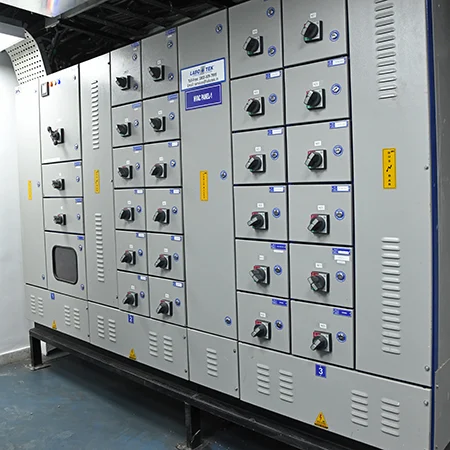
- Machinery and equipment photography: Individual machine documentation with specifications, consistent lighting. Electrical switchgear, precision engineering equipment, and auto component fabrication machinery require specific calibration to capture dimensions accurately. All machinery photography is shot to work as standalone supplier capability documentation.
- Quality control and inspection photography: QC tables, testing instruments, inspection protocols, and reject/pass sorting — the images that tell a buyer your process has a documented quality check, not just an informal one.
- Team and workforce photography: Operators at work, supervisors reviewing output, team-at-floor images, and department-level group photography for corporate documentation and recruitment materials.
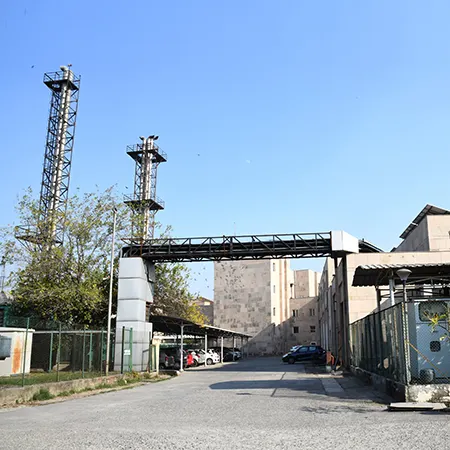
- Facility overview and aerial perspective: Exterior unit photographs, gate and address shots, campus-level documentation (where access permits), and infrastructure photography — electrical connections, loading docks, storage areas, fire safety installations.
- Product photography within the unit: Finished goods photographed in the production environment — components, assembled products, fabric rolls, FMCG goods — shot in controlled light setups within the factory for catalogue-ready output.
- Industrial videography: Production floor reels, 60–90 second capability films, machinery operation clips, QC process walkthroughs, and team-at-work documentary footage. All video outputs are suitable for website use, YouTube, LinkedIn, and buyer presentation packages.
- Export and sourcing documentation sets: Purpose-built image packages formatted for export buyer decks, sourcing portals, B2B marketplace listings, and investor materials — with consistent aspect ratios and file specifications for each use case.
Coverage — Tronica City and Surrounding Manufacturing Areas
Lohar Studio's industrial photography services cover Tronica City's full township footprint — from the earlier allotment phases near the main gate to the newer blocks further into the estate. We also serve manufacturing units in neighbouring areas, including the wider Loni industrial belt, Karawal Nagar, and other Ghaziabad-border industrial clusters. All coverage details and travel logistics can be confirmed at the pre-shoot stage.
For manufacturers in Ghaziabad's other industrial zones — Sahibabad Industrial Area, where our Electronics Photography and Garment Photography services are also active — project briefs can be submitted through the same inquiry process.
Recent Work — Tronica City Portfolio
Lohar Studio's portfolio from Tronica City includes production floor documentation for electronics component manufacturers in the township's electronics zone, multi-machine garment unit shoots for export-focused knitwear and woven fabric producers, precision machining and light engineering shoots for auto component makers, and electrical goods manufacturer shoots for switchgear and control panel producers. Full shoot samples, before/after comparisons, and sector-specific image sets are available to review before you confirm a project.
Reviewing our work before you hire is built into how we work — not something you have to ask for. Request a portfolio review through our contact page, and we'll share the most relevant shoot samples from units similar to yours in size, sector, and intended image use.
Why Manufacturers in Tronica City Work With Lohar Studio
- Sector-calibrated approach: Electronics, garment, engineering, auto components, chemical, and FMCG units all receive photography plans built for their specific visual documentation needs — not a single-look approach applied to every floor.
- Pre-shoot visit is non-negotiable: We do not quote a final scope without visiting the unit first. This protects both the client's budget and the quality of the output.
- UPSIDC township experience: Planned industrial townships with defined plot layouts and specific access protocols require a different pre-shoot coordination process than unplanned clusters. Our team is familiar with this structure.
- Lighting for industrial surfaces: Metal, electronics components, fabric, machined surfaces, and FMCG packaging each require different lighting rigs. We bring calibrated equipment — not general-purpose studio kits — to every factory shoot.
- No production disruption: Shoot sequencing is planned to work around active machine time, shift changes, and dispatch schedules. Tronica City unit operators do not shut down for the shoot unless the client specifically needs that for a controlled environment.
- Delivery within 24–72 hours: Edited, formatted, and usage-ready image and video files delivered within 24–72 hours of shoot completion for standard projects.
- Photography and videography in one engagement: Production floor reels and capability films are available as add-ons to any still photography project — no separate vendor coordination required.
- Founded in 2010: Over a decade of documented industrial photography experience across Delhi NCR manufacturing zones, SEZs, planned industrial townships, and unplanned clusters.
Pricing — Industrial Photography in Tronica City
Industrial photography in Tronica City starts from ₹14,999 per day. A day's engagement covers a standard production floor documentation scope — typically one major production zone, machinery documentation, QC area coverage, and team photography. Larger units, multi-floor facilities, or projects requiring both photography and videography are scoped during the pre-shoot visit.
Referral programme: Clients who refer a confirmed shoot receive a 10% referral credit after the referred project is confirmed.
For a project scope estimate, floor size details, and an exact quote for your unit in Tronica City, reach out via our Contact Us page.
E-E-A-T — Experience, Expertise, and Accountability
Lohar Studio has been operational since 2010. The studio was founded by Sanjay Babu Lohar, who has personally led industrial photography projects across Delhi NCR — including NSEZ (Noida Special Economic Zone), Udyog Vihar (Gurgaon), Sahibabad Industrial Area, and multiple UPSIDC-designated industrial zones in Uttar Pradesh.
Industrial photography in planned townships like Tronica City requires a different level of logistical coordination than commercial shoots. Access, lighting, sequencing, floor-specific documentation — all of it is managed by the same team that visited the unit during the pre-shoot phase. There is no handoff between a sales team and an execution team. The photographer who assessed your floor is the one who arrives on shoot day.
Studio address: A-1/58, 1st Floor, Sector-6, Rohini, Delhi – 110085 Phone / WhatsApp: +91-9312070458 Email: contact@loharstudio.com