







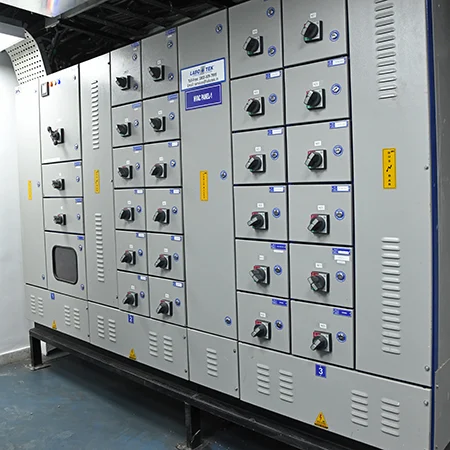


The Dyeing City That Buyers Don't Search
Pali is one of Rajasthan's most active synthetic textile processing cities — and almost no buyer outside the state knows it.
There is no famous fort here. No royal palace. No UNESCO listing. No globally traded product that routes buyers automatically to Pali as a sourcing destination, the way locks route them to Aligarh or brass goods route them to Moradabad. Pali's industrial economy is built on something more fundamental and less spectacular: the processing of synthetic fabric on a commercial scale.
Hundreds of textile dyeing, printing, and processing units in Pali's RIICO Industrial Area and the Sumerpur road belt take synthetic polyester, nylon, and blended yarn through the entire value chain — from greige fabric through dyeing, printing, and finishing to market-ready processed fabric. The volume is significant. The commercial output serves garment manufacturers, home textile producers, and fabric exporters across Rajasthan, Gujarat, and beyond.
But none of it is documented professionally.
A fabric procurement buyer in Delhi, a garment exporter in Tirupur evaluating fabric suppliers, or an institutional home textile brand in Bengaluru comparing dyeing contractors would not find a single Pali manufacturer in their initial shortlist — not because Pali's operations are inferior, but because there is no documented facility profile for any of them to find or evaluate.
Professional industrial photography in Pali makes these manufacturers visible to buyers who currently have no reason to look for them.
Pali's RIICO Industrial Zone — What the Manufacturing Belt Contains
Pali's manufacturing base operates within and around the RIICO-designated industrial estate, which has developed alongside the city's dominant textile processing economy.
RIICO Industrial Area, Pali is the primary planned estate. Synthetic textile dyeing and processing units, textile chemical manufacturers, engineering fabricators, agro-processing operations, FMCG producers, and general manufacturing businesses occupy formally allocated RIICO plots. The estate gives manufacturers the zone designation credential that institutional buyers look for — but this credential remains invisible without professional documentation.
The Sumerpur road manufacturing belt extends the industrial footprint south and west of the city, covering additional textile processing units, chemical manufacturers, and agro-processing operations that operate across the district's wider manufacturing geography.
Pali district's stone belt adds another dimension — marble and granite quarrying and processing units in surrounding district areas produce stone goods that serve domestic construction markets and export buyers, predominantly in the Middle East. While smaller in scale than the Alwar or Rajsamand stone processing belt, stone processing adds a distinct sector to Pali's manufacturing profile that most outside buyers have not documented.
For institutional buyers unfamiliar with Pali's industrial geography, a RIICO-designated address establishes that the manufacturer operates in a formally planned, government-allocated estate — not an informal production cluster. But without documentation, that RIICO address means nothing to a remote buyer evaluating suppliers from a database.
The Fabric Buyer's Default Route
When a fabric procurement buyer — for a garment brand, a home textile company, or an export house — needs to shortlist synthetic fabric suppliers, their search follows established routes.
Surat for polyester, nylon, and synthetic blends. Bhiwandi or Ichalkaranji for processed grey fabric. Tirupur for knitted fabric and jersey. Ludhiana for wool and blended woollens. Panipat for recycled fabric and blankets.
Rajasthan is not on this default shortlist. Not because Rajasthan's manufacturers cannot compete on quality, processing capability, or delivery. But because no Pali fabric processor has professional facility documentation that appears in supplier databases, buyer network referrals, or the kind of credible institutional profile that causes a procurement team to add an unfamiliar supplier to their evaluation shortlist.
The path that breaks this default is documentation — a professional factory walkthrough showing the dyeing floor layout, the processing machinery, the quality control and washing/drying operations, the colour matching and approval area, and the dispatch organisation. For institutional buyers, a documented Pali dyeing unit is evaluable on the same terms as a documented Surat supplier or Bhiwandi contractor. Without documentation, it simply does not exist in their procurement universe.
Lohar Studio's industrial photography in Pali builds the documented manufacturer profile that puts Pali textile processors on the fabric buyer's shortlist for the first time.
Photography and Videography Services for Pali Manufacturers
Lohar Studio provides both photography and videography for Pali manufacturers — covering the full documentation scope required by textile industry procurement buyers, chemical industry distributors, institutional FMCG buyers, engineering supply chains, and agro-processing procurement teams.
Production Floor and Facility Documentation: Complete facility coverage from raw material intake through production, processing, quality control, and dispatch. For textile dyeing and processing manufacturers, documentation covers greige fabric intake and inspection, pre-treatment operations, dyeing and printing machinery (jet dyeing machines, stenters, printing tables, screen printing setups), washing and drying operations, colour approval and quality control areas, finishing operations, fabric inspection, folding and dispatch. For chemical manufacturers, documentation covers reactor and mixing areas, filling and packing lines, QC and testing labs, and storage and dispatch.
Process Photography: Stage-by-stage documentation of the manufacturing sequence. For synthetic textile processors, process photography establishes exactly what machinery is in operation, what processing stages the fabric passes through, and what quality control is applied at each stage — the evidence that distinguishes a professional dyeing contractor from an informal workshop in a fabric buyer's evaluation. For engineering and agro-processing manufacturers, process photography demonstrates operational capability and production organisation to buyers assessing suppliers remotely.
Machinery and Equipment Documentation: Individual machine photography — jet dyeing machines, stenters, printing equipment, chemical processing reactors, engineering fabrication machinery, food processing equipment — framed and lit to communicate machine condition, operational scale, and processing capacity to procurement buyers comparing supplier profiles.
Product Photography: Finished goods documentation for institutional tenders, supplier catalogues, trade platform listings, and distributor onboarding. Photography for processed fabric swatches, chemical products, engineering components, and packaged FMCG goods each require different lighting setups and surface-specific composition standards. Lohar Studio manages facility-level and Product Photography in the same shoot-day engagement.
Handicraft Photography: For manufacturers and export units in the Pali district producing block-printed textiles, tribal craft goods, or stone-based export products, Handicraft Product Photography covers finished piece documentation, texture and detail close-ups, and catalogue-quality individual item photography for buyer presentation and export listing purposes.
Industrial Videography: Factory walkthrough videos, process explainer reels, machinery capability footage, and product showcase videos for company websites, trade platform profiles, institutional prequalification packages, and export buyer submissions. For Pali's textile processing units, a factory walkthrough video showing the dyeing operations, machinery scale, colour control process, and quality inspection is the most effective format for initial buyer introduction — allowing procurement teams to assess a supplier's operational standard remotely before committing to a sample order or site visit.
FMCG and Food Processing Documentation: For Pali's agro-processing and consumer goods manufacturers, FMCG Product Photography covers production environment documentation, hygienic zone visibility, finished product imagery, and process sequences at the standard expected by retail buyers, food distributors, and institutional procurement teams.
Pre-Shoot Video Call for Pali Manufacturers
Pali is approximately 480–520 kilometres from Delhi via NH-48 through Jaipur and Ajmer, then onward to Pali. For projects at this distance, Lohar Studio conducts a structured video call pre-assessment — the same planning depth as an in-person factory visit, executed remotely before shoot day is confirmed.
- Book your pre-shoot video call through Contact Us — we confirm a date and a two-to-three-hour structured session that fits your production schedule.
- On the call, you walk us through your complete facility via video — the dyeing floor, machinery positions, pre-treatment and washing operations, colour control area, printing section (if applicable), finishing zone, fabric inspection, folding, and dispatch. For chemical and engineering manufacturers, we cover processing zones, machinery layout, QC area, and storage organisation.
- We map the lighting requirements for each area from what you see on the walkthrough. Textile dyeing units typically have high-humidity production environments with specific ambient lighting through factory structures. Jet dyeing machine areas, stenter dryers, printing tables, and colour rooms each have completely different lighting conditions that affect how the documentation is planned.
- We confirm the documentation brief — which buyer types are your primary target, which production stages carry the most credibility weight for those buyers, and whether video is included in the scope.
- You receive a written shoot-day plan before the shoot date is confirmed. Nothing is left unplanned before Lohar Studio travels.
Shoot day is conducted in person at your Pali facility. Lohar Studio travels from Delhi as a dedicated outstation engagement, planned around your production schedule.
Why Choose Lohar Studio for Industrial Photography in Pali
Lohar Studio has been documenting industrial manufacturing facilities across Delhi NCR, Uttar Pradesh, and Rajasthan since 2010. Sanjay Babu Lohar has fifteen years of experience in industrial, product, and architectural photography — managing every engagement personally from pre-shoot planning through final delivery.
Pali at approximately 480–520 kilometres from Delhi, requires a dedicated outstation trip — planned and coordinated around your production calendar. Both the video call pre-assessment and the shoot day are structured to give your facility the same documentation depth as a manufacturer in a well-documented NCR or Jaipur industrial zone — without requiring you to travel to us or brief a photographer who hasn't seen your facility.
Every Pali project is managed directly by Sanjay Babu Lohar. No subcontracted photographers, no junior team assignments, and no break in brief continuity between the video call assessment and shoot day execution. For textile dyeing processors whose documentation brief requires accurate colour representation in dyeing operations, for chemical manufacturers who need QC zone photography at regulatory submission standard, and for engineering suppliers competing in procurement shortlists against suppliers from more documented cities, the same technical approach and direct management standard applies.
All deliverables are returned within 24–72 hours of shoot day completion — fully edited, formatted, and ready for immediate use in supplier qualification packages, trade platform profiles, distributor onboarding materials, and export buyer submissions.
Industrial Photography Coverage Around Pali
Our facility documentation coverage extends across Pali's RIICO industrial estate and the surrounding western Rajasthan manufacturing belt.
Within the immediate area, coverage spans the RIICO Industrial Area, Pali, the Sumerpur road manufacturing belt (~30km from Pali city), Bali area manufacturing units (~40km), Rohat industrial area (~45km), and agro-processing and general manufacturing operations across the Pali district's production geography.
For manufacturers along the Pali-Jodhpur corridor, industrial photography in Jodhpur — covering the Basni RIICO, Boranada, and Mandore industrial zones — is managed as a dedicated engagement for Jodhpur's furniture export, pharmaceutical, and chemical manufacturing sectors (~75km from Pali). For Ajmer manufacturers — ceramic, chemical, and engineering operations (~70km from Pali) — coverage is part of our planned central Rajasthan framework.
FMCG Photography for processed fabric documentation, chemical products, food processing outputs, and agro-processing manufacturers across the Pali region is part of our standard scope. Delivery: 24–72 hours from shoot day.
Portfolio and Recent Work
Our recent industrial photography across Delhi NCR, Uttar Pradesh, and Rajasthan covers textile manufacturing facilities, chemical manufacturing plants, engineering fabrication units, pharmaceutical facilities, food processing and FMCG operations, and agro-processing environments. Portfolio examples relevant to Pali's sector mix — synthetic textile processing and dyeing documentation, chemical plant facility photography, FMCG production environments, and engineering fabrication — are available on request before any booking decision.
We share sector-relevant examples with every enquiry so you can assess documentation quality against your specific facility type and buyer profile before making any commitment.
Pricing for Industrial Photography in Pali
Lohar Studio's industrial photography and videography services start from ₹14,999 per day. Final pricing is based on facility size, shoot scope (photography only, videography only, or combined photography and video), and whether dedicated product photography is required alongside facility documentation.
Referral fee: clients who refer another manufacturer after their shoot is confirmed receive 10% of the referred client's project fee.
To book your video call pre-assessment and discuss your Pali facility documentation requirements, Contact Us directly.
About Lohar Studio
Lohar Studio was founded in 2010 by Sanjay Babu Lohar, a commercial photographer with fifteen years of specialisation in industrial, product, and architectural photography across Delhi NCR, Uttar Pradesh, and Rajasthan. Synthetic textile dyeing and processing documentation, chemical plant facility photography, and manufacturing facility documentation — for a city like Pali where a commercially significant industrial economy operates with no buyer-facing documentation at all — is exactly the scope the studio manages as planned outstation work.
Every project is managed directly by Sanjay Babu Lohar from the video call pre-assessment through final delivery. No subcontracting, no delegation of technical decisions, and no loss of brief continuity between planning and execution.
Clients use Lohar Studio's industrial photography for institutional procurement qualification packages, trade platform and B2B buyer profiles, export compliance submissions, e-commerce catalogues, company websites, and distributor onboarding materials.
Delivery: 24–72 hours from shoot day completion, without exception.