










The GI Tag Without a Factory Face
Khurja holds a Government of India Geographical Indication (GI) tag for its pottery. A GI tag is not a market reputation — it is a formal, government-recognised certification that the product manufactured in this location meets a defined standard tied to its geographic origin. When a buyer reads "Khurja Pottery" on a piece of crockery, they are reading a government-backed quality signal, not just a city of origin.
Here is the problem. The GI tag lives on the product. The factory that earned it — the manufacturing unit that processes raw clay, forms pieces, fires them in kilns, applies glaze, and sends them into a quality check before dispatch — has no documentation of its own. A buyer anywhere in India or abroad who wants to verify the manufacturing source behind the GI mark cannot do so, because no professional facility photography exists. They accept the tag on faith, or they move to a supplier whose facility is visible and documented.
This is the GI paradox specific to Khurja. An institutional credential of genuine value — a government-recognised geographic quality mark — is being carried entirely by the product label rather than by facility evidence. A ceramics manufacturer in Khurja with a well-documented plant, process sequences, kiln operations, and quality control area is not just marketing — they are making the GI tag credible at the factory level, where it actually means something to a serious buyer.
Lohar Studio's industrial photography for Khurja manufacturers does exactly this: it creates facility-level evidence that makes the GI designation visible, verifiable, and usable as a sales tool rather than a packaging notation.
Khurja's Manufacturing Landscape
Khurja is the undisputed ceramics capital of North India. The city and its surrounding UPSIDC industrial belt house hundreds of ceramics manufacturing units, ranging from small-scale pottery workshops to large crockery and sanitaryware plants supplying national hotel chains, institutional buyers, and export markets.
The ceramics sector itself breaks into several product categories: daily-use crockery (plates, cups, bowls, mugs), hotelware and institutional dinnerware, sanitaryware (washbasins, cisterns, bathroom fittings), decorative and art pottery, and industrial-grade ceramics used in chemical, electrical, and construction applications. Each category has its own buyer profile — and each buyer expects a different kind of documentation.
Beyond ceramics, Khurja and the surrounding belt include chemical manufacturing units (industrial chemicals, agricultural chemicals, specialty compounds), engineering fabrication shops, agro-processing operations (flour mills, rice mills, dal mills), and general manufacturing units servicing the regional supply chain. UPSIDC-allocated plots house a mix of all these sectors on the NH-34 belt and the Bulandshahr–Aligarh corridor.
The documentation gap is consistent across all sectors but is sharpest in ceramics: a product category that is globally traded, GI-certified, and institutionally purchased — and yet almost entirely unphotographed at the factory level.
Photography and Videography Services for Khurja Industrial Units
Lohar Studio provides both photography and videography for Khurja manufacturers — structured around the specific documentation requirements of ceramics producers and the broader industrial units in the region.
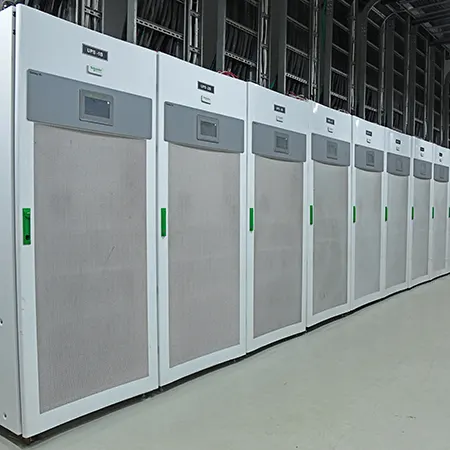
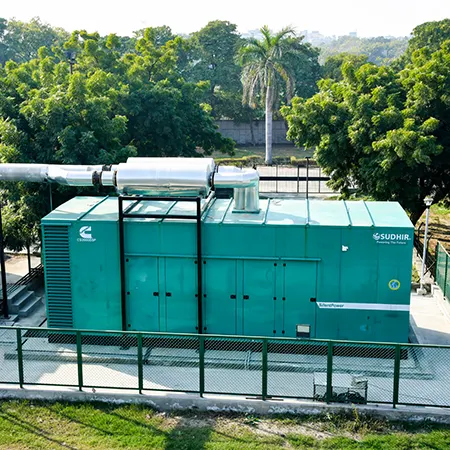
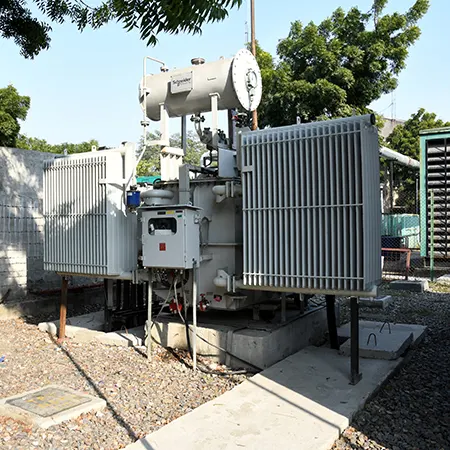
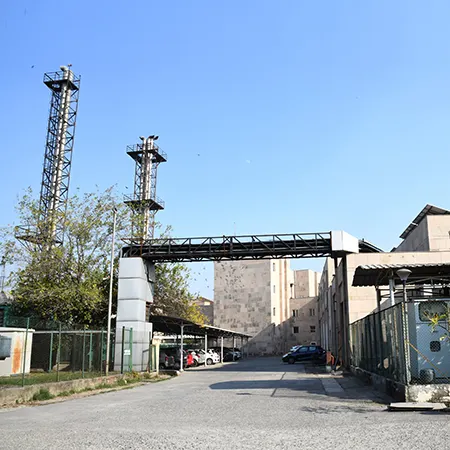
Production Floor and Facility Documentation: Complete facility coverage — raw material storage, forming areas, kiln loading and firing zones, glazing stations, quality inspection areas, finished goods storage, and dispatch. For ceramics units, the production floor is visually distinctive in ways that few industrial sectors can match. Well-photographed kiln operations, forming sequences, and glaze work create compelling documentation that engineering photography cannot replicate.
Process Photography: Step-by-step manufacturing process coverage, from raw clay handling through each production stage to the finished, inspected piece. Institutional buyers — hotel chains, government agencies, export importers — frequently require process documentation as part of vendor onboarding. Without it, the Khurja GI tag remains the only evidence they have.
Machinery and Equipment Photography: Kiln systems, press machines, jigger and jolley forming equipment, glaze spray booths, tunnel dryers, and QC testing equipment — documented individually with framing that communicates scale, condition, and production capacity to buyers evaluating your facility remotely.
Product Photography: Finished goods documentation for catalogue, e-commerce, tender, and export buyer presentations. Product Photography is handled as a parallel workflow to facility documentation — dedicated lighting setups for crockery, dinnerware, sanitaryware, and decorative pieces produce imagery suited for product catalogues, B2B buyer decks, and institutional supply listings. For Khurja manufacturers shipping to multiple channels, Photography at the facility level is one of the highest-ROI documentation investments available.
Handicraft and Decorative Pottery Photography: For export-facing decorative ceramics and art pottery, Handicraft Photography captures the craft process — hand-finishing, decorative painting, glaze application — in ways that product catalogues alone cannot. Export buyers and design-sector procurement managers frequently request this type of documentation as proof of artisan involvement and process authenticity.
Industrial Videography: Factory tour videos, kiln operation reels, process explainer videos, and machinery capability footage for websites, buyer presentations, and export outreach. Video is particularly effective for ceramics manufacturing because the kiln firing process, glaze transformation, and finishing sequences are visually compelling in motion — they communicate production capability better than static images alone in many buyer contexts.
FMCG and Agro-Processing Documentation: For Khurja's food processing, flour milling, and FMCG manufacturing units, FMCG Photography covers facility-level documentation aligned with retail buyer, distributor, and institutional procurement requirements.
The Ceramics Documentation Brief — What Needs to Be Shot
Ceramics manufacturing has a visual scope that is unlike any other industrial sector in this series. Every zone of a ceramics plant offers documentation value — and getting the most out of a shoot day requires knowing what to prioritise before the camera is unpacked.
At Lohar Studio, the ceramics documentation brief is built around five core zones that institutional buyers and export-importers consistently want to see:
- Raw Material Receipt and Storage — Clay body composition, raw material grades, and storage organisation communicate process discipline before a single piece is formed. For GI-tag credibility, showing the incoming raw material stage is evidence that the manufacturing process begins where the certification expects it to.
- Forming and Shaping Operations — Whether the unit uses jigger and jolley forming, RAM pressing, slip casting, or hand throwing, the forming stage is where the product's quality parameters are established. Photography here should show both the equipment and the operator, because institutional buyers often evaluate human skill and process consistency simultaneously.
- Kiln Loading, Firing, and Unloading — The kiln is the defining visual of any ceramics plant. Tunnel kilns, shuttle kilns, and downdraft kilns each have different visual profiles and documentation requirements. Kiln capacity photographs are one of the most frequently requested elements in export buyer prequalification submissions.
- Glazing and Decoration — Spray glazing, dip glazing, and hand-decoration stations create visual variety that supports both facility documentation and product differentiation. For units supplying hotelware or institutional dinnerware, glaze consistency photography is a direct response to buyer quality concerns.
- Quality Inspection and Dispatch — QC processes — dimension checks, visual inspection, defect sorting, packing — are the final proof of process discipline. Buyers who have seen a well-documented QC zone are significantly more likely to move forward without a physical inspection visit.
This five-zone brief is discussed and confirmed during the pre-shoot factory visit. The actual shot sequence is planned around your production schedule so that active operations — not idle equipment — are documented.
Pre-Shoot Factory Visit for Khurja Industrial Units
Khurja is approximately 85–90 kilometres from Delhi via NH-34 — a comfortable same-day journey. Pre-shoot factory visits are a standard part of every Lohar Studio engagement and the starting point for every ceramics documentation brief.
- Schedule your visit through Contact Us — we will confirm a half-day slot aligned with your production calendar.
- We walk the full facility — raw material storage, forming area, kilns, glazing, QC, and dispatch. For ceramics plants specifically, we assess kiln access and firing schedules, because the most valuable photography happens when kilns are loaded and running, not idle between firings.
- We map natural light entry points in the plant (critical for ceramics, where large open kilns and forming areas often allow for mixed natural-artificial lighting setups that produce more compelling imagery than fully controlled artificial light alone).
- We confirm the documentation brief: which buyer types are the primary audience, what product categories need dedicated photography alongside the facility coverage, and whether video is required for any specific operational sequence.
- You receive a written shoot-day plan — zone sequence, timing, required floor supervisor support — before the shoot date is confirmed.
For active kiln operations, we coordinate with your production schedule to ensure firing sequences and kiln loading are captured during their natural workflow, not staged.
Why Lohar Studio for Khurja Industrial Photography
Lohar Studio has been documenting manufacturing facilities across Delhi NCR and Uttar Pradesh since 2010. Ceramics and specialty manufacturing sectors — where the visual scope of the plant is complex and the documentation brief extends beyond a standard machinery-and-floor layout — require experience in both industrial and product photography simultaneously.
For Khurja manufacturers, this matters because the ceramics documentation brief is genuinely dual-track: facility photography for institutional vendor qualification, and product photography for catalogue and buyer presentations. The two briefs require different lighting setups, different framing disciplines, and different shot priorities. Lohar Studio handles both within the same engagement rather than requiring two separate shoots.
Every project is managed directly by Sanjay Lohar — there are no subcontracted photographers and no delegation of the technical decisions that determine documentation quality. From the factory visit through to final delivery, the same person who planned the shoot is behind the camera.
Delivery on all projects is 24–72 hours from shoot day completion — files are edited, colour-corrected, and ready for immediate use in tenders, export buyer presentations, distributor onboarding packages, and website updates.
Industrial Photography Coverage Around Khurja
Our facility documentation coverage extends across Khurja and the surrounding Bulandshahr district manufacturing belt, including the UPSIDC industrial zones along NH-34 and the Aligarh corridor. We cover ceramics manufacturing, chemical processing, engineering fabrication, and agro-processing units across the region.
For manufacturers in the broader Bulandshahr district, industrial photography in Bulandshahr covers the district's engineering, chemical, and agro-processing sectors with the same facility documentation scope.
FMCG Photography for food processing and consumer goods manufacturing units in the Khurja–Bulandshahr–Aligarh belt is part of our standard scope. Delivery across all locations: 24–72 hours from shoot day.
Portfolio and Recent Work
Our recent industrial photography across Uttar Pradesh and Delhi NCR covers ceramics-adjacent manufacturing, chemical processing, engineering fabrication, and FMCG production. For Khurja-specific sector examples — crockery, dinnerware, sanitaryware, kiln operations — portfolio images and client references are available on request.
We share relevant sector examples before you book, so you can assess documentation quality against your own facility's requirements before committing to the engagement.
Pricing for Industrial Photography in Khurja
Lohar Studio's industrial photography and videography services start from ₹14,999 per day. Final project pricing is based on facility size, shoot scope (photography only, videography only, or combined), and product photography requirements alongside facility coverage.
Referral fee: clients who refer another manufacturer after their shoot is confirmed receive 10% of the referred client's project fee.
To discuss your Khurja facility documentation requirements and confirm a factory visit date, Contact Us directly.
About Lohar Studio
Lohar Studio was founded in 2010 by Sanjay Lohar, a commercial photographer with fifteen years of specialisation in industrial, product, and architectural photography across Delhi NCR and Uttar Pradesh. Industrial photography for ceramics manufacturers — where facility documentation and product photography are required simultaneously — represents one of the more technically complex briefs in the studio's scope, combining industrial-scale framing with product-level lighting discipline.
Every project is handled directly by Sanjay Lohar. No subcontractors, no junior photographers, no delegation of creative or technical decisions. Clients in Khurja and across the UP manufacturing belt work with the same photographer from the factory visit through final delivery.
Our work is used by clients for institutional tender submissions, export buyer prequalification, domestic distributor onboarding, e-commerce catalogues, company websites, and GI compliance documentation packages.
Delivery: 24–72 hours from shoot day completion, without exception.