











The Agrarian District Manufacturing Credibility Gap — Why Baghpat's Industrial Identity Needs to Be Seen to Be Believed
Ask a procurement manager in a Delhi office what they know about Baghpat, and you will almost certainly hear one of two things: either nothing at all, or something about sugarcane fields and the Yamuna river.
What you will rarely hear is: "Yes, there's a UPSIDC industrial area there, a significant agro-processing cluster in Baraut, chemical manufacturing units, and a hosiery production base in Khekra."
Baghpat carries the external identity of a rural, agricultural district. And in a country where procurement decisions are influenced by the mental map a buyer carries of a supplier's location, that identity works against every Baghpat manufacturer who is trying to compete with suppliers from cities that sound more industrial.
A Baghpat sugar processing unit selling to FMCG buyers in Delhi and Mumbai is not just competing on product quality and price. It is competing against the buyer's assumption that a Baghpat supplier is a small, rural operation — even when the reality is a large-scale, UPSIDC-allotted production facility with organised manufacturing, modern equipment, and export-facing quality standards.
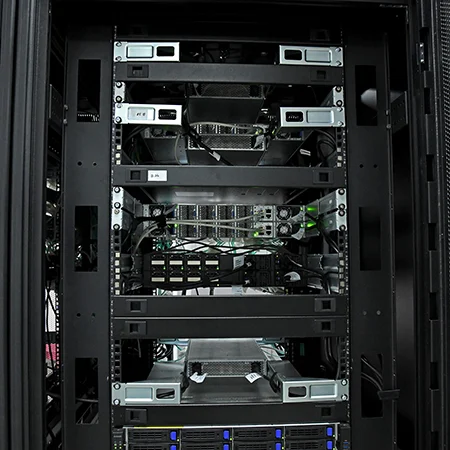
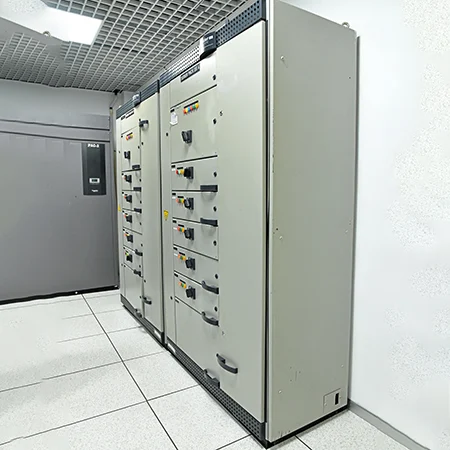
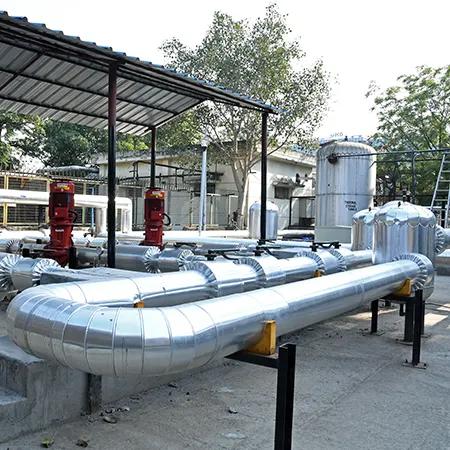
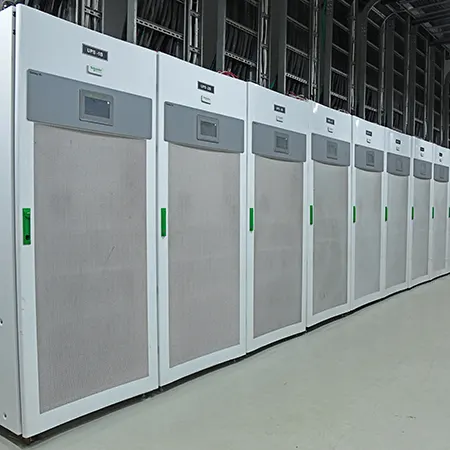
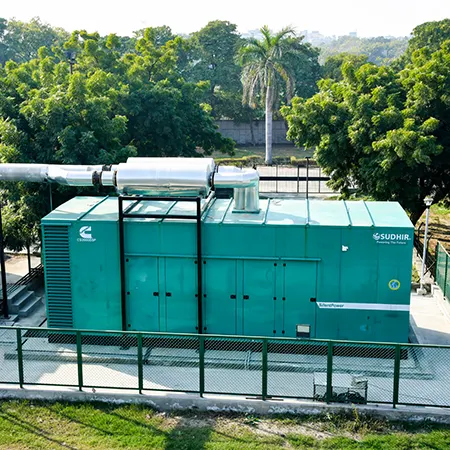
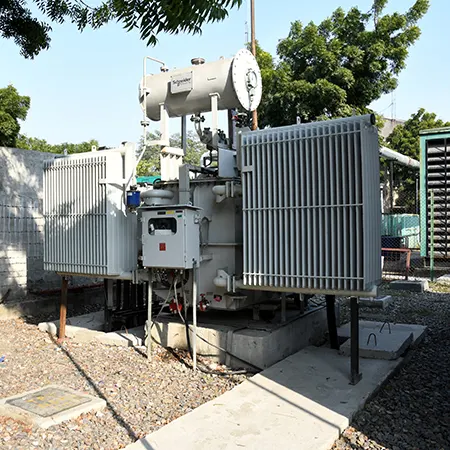
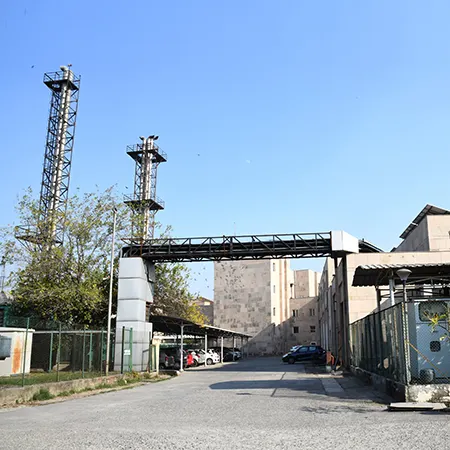
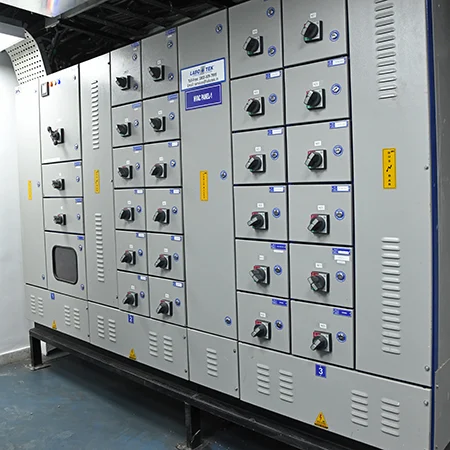
Professional industrial photography in Baghpat corrects this assumption before it can do damage. When a manufacturer can show — in clear, well-lit, professionally composed images — exactly what their facility looks like, what equipment they run, how their QC process works, and what their finished output looks like, the buyer's default mental image of "agricultural district" gets replaced by the evidence in front of them.
Lohar Studio's industrial photography in Baghpat is built to create this credibility shift. For the buyers who have never visited, and the buyers who would never think to visit until they have a reason to.
Baghpat's Industrial Landscape — Zones, Sectors, and What Manufacturers Are Actually Making
Baghpat's manufacturing is more substantial and more varied than its external agricultural reputation suggests. Understanding the zones and sectors is essential for planning industrial photography that matches what each business actually needs documented.
Baghpat Industrial Area (UPSIDC) on the GT Road and Baraut Road belt is the district's primary formally planned industrial zone — home to chemical manufacturers, engineering fabricators, plastic goods producers, building materials units, and general light manufacturing businesses with UPSIDC-allotted plots. This is the zone most comparable to the standard NCR industrial area setup — organised, infrastructure-supported, and diverse in its manufacturing mix.
Baraut Industrial and Agro-Processing Cluster is the district's most economically significant manufacturing base — sugar mills processing the district's sugarcane crop, flour mills, dal mills, agricultural machinery manufacturers, and food processing units. The scale of sugar processing operations in the Baraut area is considerably larger than the "small rural operation" that outside buyers often imagine — some units operate at an industrial scale with organised production floors, quality labs, and multi-shift operations.
Khekra Hosiery and Textile Cluster is a significant concentration of hosiery and knitwear manufacturers producing garments, undergarments, and textile goods for domestic and export markets. Khekra's hosiery units range from mid-scale production operations to organised factories with defined manufacturing floors, machinery banks, and organised finishing and quality inspection areas.
Yamuna Corridor Industrial Units — chemical manufacturers, paper and board units, and engineering businesses distributed along the Yamuna river corridor — form a secondary manufacturing belt with specific documentation requirements tied to their process-intensive production environments.
Baghpat's manufacturing geography is genuinely diverse. A sugar mill shoot looks entirely different from a chemical plant shoot, which looks different from a hosiery production floor, which looks different from an engineering fabrication unit. Each requires a distinct photography approach.
Industrial Photography Services for Baghpat Manufacturing Units
The scope below covers what a standard Baghpat project delivers. For multi-zone facilities or combined photography and videography, the exact scope is confirmed during the pre-shoot factory visit.
- Production floor documentation: Active floor coverage across the primary manufacturing zones — sugar processing stages, agro-product processing lines, chemical production areas, hosiery machine floors, engineering fabrication workshops, and food processing operations. The approach is zone-specific and sector-calibrated, not a generic factory walkthrough.
- Machinery and equipment photography: Individual machine and equipment documentation with lighting calibrated for the surface type and environment — sugar mill crushers and evaporators, chemical processing tanks and reactors, hosiery knitting machines and finishing equipment, engineering fabrication tools, and food processing lines. All machinery images are formatted for supplier capability documentation and vendor registration.
- Quality control and process documentation: QC inspection stages, testing instruments, batch sampling, in-process checks, and compliance-area documentation. For sugar mills and food processing units supplying to FMCG buyers and institutional food chains, QC documentation is often the primary compliance requirement before supplier onboarding. For chemical units, process compliance photography covers safety protocols, labelling standards, and storage organisation.
- Team and workforce photography: Operators at work across production zones, supervisors reviewing output, technicians at QC stations, and department-level team photography. For Baghpat's agro-processing and textile units, workforce photography also shows the organised, multi-person production structure — correcting the assumption of a small, informal operation.
- Facility overview and address documentation: Exterior shots with address context, factory gate documentation, campus overview where applicable, loading and dispatch areas, raw material storage, and infrastructure photography. A clear exterior shot of a Baghpat UPSIDC-allotted facility with its address and scale visible does significant credibility work for buyers who carry an agricultural image of the district.
- Finished goods and product catalogue photography: Finished sugar products, processed agro-goods, chemical goods in controlled setups for institutional buyer documentation; hosiery and knitwear items arranged for export and retail buyer catalogues; engineering components formatted for technical documentation and B2B listings. For Product Photography of finished goods requiring dedicated catalogue-standard imagery, this scope is built into the same shoot engagement.
- Industrial videography: Production floor reels (60–90 seconds), process walkthrough films for sugar and agro-processing operations, capability presentation videos for hosiery export buyers, and quality documentation sequences. Particularly valuable for Baghpat manufacturers presenting to buyers in distant cities or export markets who may not visit before placing an initial order.
- Export and institutional documentation sets: Formatted image packages for institutional procurement submissions, export buyer capability decks, B2B marketplace listings, and vendor registration packages — confirmed file formats, resolutions, and naming conventions per buyer or platform requirement.
The 50-Kilometre Paradox — Why Proximity to Delhi Is a Wasted Advantage Without Documentation
Baghpat is approximately 50 kilometres from central Delhi. That is a meaningful logistical advantage. Shorter supply chains, faster delivery turnarounds, simpler pre-purchase factory visits, easier ongoing supplier relationships — all of this should make a Baghpat manufacturer a more attractive proposition for a Delhi-based buyer compared to a supplier in another city.
But proximity only creates a procurement advantage if the buyer is already aware of the supplier and interested in engaging.
A Delhi institutional buyer with no visual evidence that a Baghpat manufacturing facility exists will not think to drive 50 kilometres to investigate an unverified supplier. They will work with the suppliers they know — regardless of where those suppliers are located. A Rajasthan supplier they have heard of is more accessible to them than a Baghpat supplier they have never seen documented, even though the Baghpat unit is geographically closer by hundreds of kilometres.
This is the 50-kilometre paradox for Baghpat manufacturers. The proximity is real. The procurement relevance is not until the facility is documented.
Professional industrial photography in Baghpat converts the proximity advantage from a geographic fact into a procurement argument. When a Delhi buyer has already seen your production floor, your machinery, your QC process, and your dispatch area before the first call, the 50 kilometres becomes a closing argument, not just a logistical footnote. For Baghpat manufacturers, documentation does not replace proximity — it activates it.
Pre-Shoot Factory Visit for a Baghpat Industrial Photography Engagement
Baghpat is approximately 50 kilometres from Lohar Studio's Delhi base — close enough for a physical pre-shoot factory visit before the shoot day, which is how all Baghpat engagements are planned.
- Initial inquiry and remote brief: Start with an inquiry via our Contact Us page. Share your unit's location in Baghpat (UPSIDC area, Baraut, Khekra, Yamuna corridor, or other), the manufacturing sector you operate in — sugar/agro-processing, chemical, hosiery, engineering, food processing, or other — floor size or zone count, and the primary purpose for the images: institutional buyer documentation, export submission, website, catalogue, vendor registration, or a combination.
- Pre-shoot factory visit: For Baghpat at 50km from Delhi, we conduct a physical factory walk before the shoot day — visiting your unit to map the production floor, assess lighting across each zone, identify the key areas and stages to document, and understand any access or sequencing constraints. The pre-visit ensures the shoot day is built on direct knowledge of your specific facility.
- Shoot plan confirmation: Following the factory visit, we confirm the shot sequence, lighting plan, equipment requirements, and shoot schedule in writing — with your sign-off before the shoot day.
- Lighting and equipment setup on shoot day: Baghpat's manufacturing environments span a wide range of lighting conditions. Sugar mill processing areas often have high-ceiling, open industrial structures with strong overhead ambient light and steam environments. Hosiery machine floors are typically enclosed with fluorescent or LED overhead lighting. Chemical units have contained production spaces with mixed lighting and reflective equipment surfaces. We carry calibrated supplementary lighting rigs for each environment type, identified during the factory pre-visit.
- Shoot execution and delivery: Photography and videography are executed zone by zone per the confirmed plan. All file format, resolution, and naming requirements — confirmed during the pre-shoot brief — are applied to the delivery. Files are delivered within 24–72 hours of shoot completion via shared folder or direct transfer.
Why Lohar Studio for Industrial Photography in Baghpat
- Sector preparation matched to Baghpat's actual manufacturing mix: Sugar mill documentation requires understanding evaporator and crystallisation environments, and what a food-chain buyer needs to see in a QC lab. Hosiery floor documentation requires lighting calibrated for fabric and knitting machine surfaces. Chemical unit photography requires specific approaches for reflective tanks, labelled storage, and process compliance areas. Lohar Studio prepares sector-specifically for each Baghpat project before the shoot day.
- Physical factory visit included: At 50km from Delhi, Baghpat allows a proper pre-shoot factory walk, not a video call. Walking your floor in advance means the shoot day is planned around the actual conditions of your facility, not assumptions made from a phone call.
- Documentation that corrects the agricultural perception: Baghpat manufacturers need images that communicate industrial seriousness to buyers who carry a rural/agricultural image of the district. Every image is composed to show what the facility actually is — organised, capable, and professionally operated — independent of what the city is assumed to be.
- Same-day delivery region: For buyers who need a shorter supplier relationship than outstation cities can offer, Baghpat's proximity to Delhi means any follow-up visit after the initial documentation review can happen quickly. Industrial photography in Baghpat is the first step in making that follow-up visit worth scheduling.
Coverage — Baghpat Industrial Areas We Serve
Lohar Studio serves manufacturing units across Baghpat's major industrial zones and clusters — Baghpat Industrial Area (UPSIDC, GT Road and Baraut Road belt), Baraut agro-processing and sugar mill cluster, Khekra hosiery and textile zone, and manufacturing units along the Yamuna river corridor. Coverage extends to manufacturing businesses in the broader Baghpat district, including Pilana, Chhaprauli, and Doghat.
For Baghpat-based businesses that also need FMCG Photography for their packaged food, consumer goods, or processed agro-product lines — particularly relevant for Baraut food processing and sugar units supplying FMCG buyers — that service is available as part of the same shoot engagement. For Garment Photography covering hosiery and knitwear production in Khekra, the scope can be added to the same visit. Product Photography for finished goods catalogue imagery is also available alongside factory floor documentation.
Portfolio — Industrial Photography Samples
We share portfolio samples matched to your sector and documentation purpose at the inquiry stage. For Baghpat manufacturers, this means samples from agro-processing and food unit shoots, chemical manufacturing floor documentation, engineering and fabrication unit photography, and textile and hosiery production floor coverage. Reviewing our work before confirming a project is a built-in part of how we work — not something you need to ask for separately.
Pricing — Industrial Photography in Baghpat
Industrial photography in Baghpat starts from ₹14,999 per day. The pre-shoot factory visit is included in the project — no separate charge. A standard day's scope covers the primary production floor, machinery documentation, QC area, team photography, and finished goods.
For multi-zone facilities, units spanning multiple production clusters in the Baghpat district, or projects combining photography and videography, the scope and total cost are confirmed after the factory visit. Travel for the shoot day is included transparently in the project quote — no charges added after confirmation.
10% referral credit is available for any confirmed project referral.
For scope discussion, factory visit scheduling, and project quote for your Baghpat unit, reach out via our Contact Us page.
E-E-A-T — Experience, Expertise, Accountability
Lohar Studio has been delivering industrial photography since 2010, founded by Sanjay Babu Lohar. Over 16 years, the studio has documented manufacturing operations across Delhi NCR's complete industrial range — from large-scale chemical and engineering plants to hosiery and textile production floors, food processing units, and agro-processing operations.
Industrial photography in Baghpat requires sector preparation that spans genuinely different manufacturing environments within a single district: sugar mill processing areas, chemical production units, hosiery machine floors, and engineering fabrication shops each have distinct lighting requirements, different surface types, and different buyer documentation standards. Lohar Studio's preparation for a Baghpat project covers each of these specifically, not with a uniform factory photography approach.
For Baghpat manufacturers, accountability is clear: every scope, quote, and delivery timeline is confirmed in writing before the shoot is scheduled. The photographer who conducted the factory pre-visit is the one who arrives for the shoot day. No handoffs.
Studio address: A-1/58, 1st Floor, Sector-6, Rohini, Delhi – 110085 Phone / WhatsApp: +91-9312070458 Email: contact@loharstudio.com