









What Makes Bawal Industrial Area Significant — The HSIIDC Zone
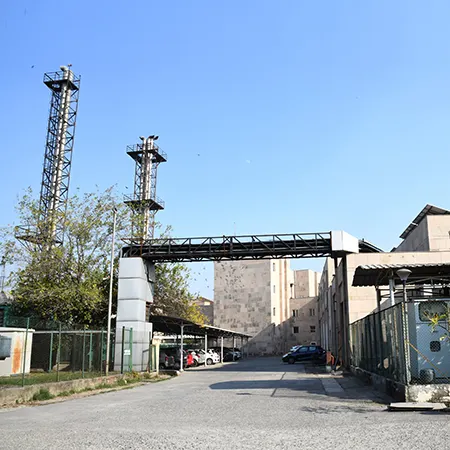
Bawal is one of Haryana's most strategically positioned industrial estates. Located in Rewari district on NH-48 — the Delhi-Jaipur National Highway — the Bawal HSIIDC Industrial Estate sits approximately 75 kilometres from Delhi, within easy reach for manufacturers supplying automotive, FMCG, engineering, and export markets across North India.
HSIIDC (Haryana State Industrial Infrastructure Development Corporation) developed Bawal as a planned industrial estate with Phase I, Phase II, and Phase III plot allocations. Unlike informal industrial clusters, HSIIDC designation means planned infrastructure: wide internal roads, continuous power supply, drainage, and plot demarcation. Manufacturers operating from HSIIDC Bawal are formal, government-registered industrial units — and that formality deserves formal documentation.
The zone has grown steadily into one of Haryana's significant auto-ancillary manufacturing concentrations. Auto component manufacturers here supply Tier-1 companies and OEMs whose assembly plants are located further up the NH-48 corridor. Engineering fabricators, plastics and rubber manufacturers, electrical equipment producers, chemical units, and FMCG food processing plants round out the Bawal industrial ecosystem.
Despite this scale, almost no manufacturer in Bawal's HSIIDC estate has professional factory-level photography. The visual documentation gap is consistent and wide.
The Highway Factory and the Invisible Supplier
Bawal HSIIDC sits directly beside NH-48. Procurement managers, OEM representatives, and vendor development teams from automotive companies travel this highway regularly. In practical terms, some of their suppliers are right beside the road they're driving.
But physical proximity to a buyer's travel route has no bearing on procurement decisions. OEM vendor selection in the automotive supply chain works through formal approved vendor lists, supplier qualification audits, and structured capability assessments. A vendor's name appears on a shortlist because their documentation made its way into the right database or submission folder — not because a procurement manager drove past their factory gate.
For a Bawal auto component manufacturer, the practical barrier is this: being a capable supplier is not sufficient to be a qualified supplier. Documentation of capability — facility photographs, process sequences, machine capacity evidence, quality control images, workforce photographs — is what makes the difference between being considered and being overlooked. Buyers who have never visited your factory cannot evaluate your capability from a price list. They evaluate from a supplier profile, and a supplier profile without visual documentation is a weaker submission than one with it, regardless of the underlying manufacturing quality.
This is the specific documentation challenge that industrial photography in Bawal addresses. It converts manufacturing capability into demonstrable evidence — the kind that moves a Bawal manufacturer from a verbal reference to a formal vendor submission.
What Bawal's Manufacturers Produce
The Bawal HSIIDC Industrial Estate spans a range of manufacturing sectors, and Lohar Studio has photographed facilities across all of them.
Auto component manufacturers form the largest category — machined precision parts, sheet metal stampings, rubber-moulded components, plastic injection moulded parts, wiring harness sub-assemblies, welded fabrications, and pressed metal parts. These units primarily supply Tier-1 auto companies and OEMs operating on the NH-48 corridor. Documentation for these units covers machine shops, press rooms, rubber moulding halls, quality control and CMM rooms, assembly areas, finished goods dispatch, and workforce operation photographs.
Engineering fabrication units produce structural steel components, heavy welded assemblies, machined parts for industrial equipment, and precision tooled goods. Fabrication photography covers welding bays, CNC and VMC machining centres, surface treatment areas, inspection stations, and storage yards.
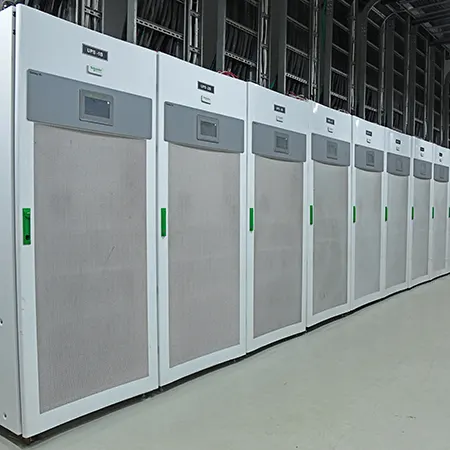
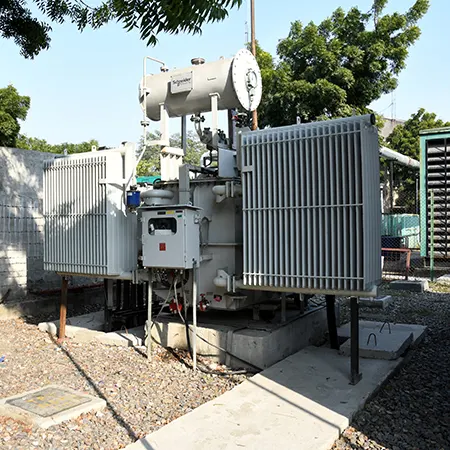
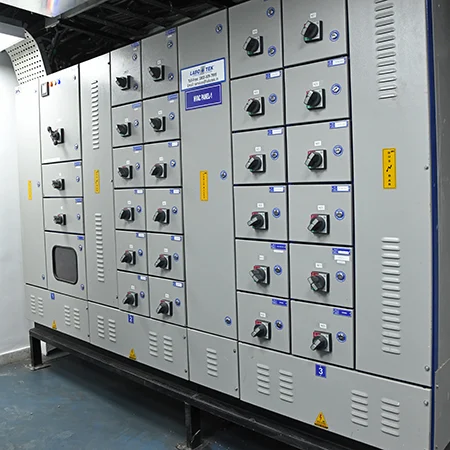
Electrical equipment manufacturers in Bawal produce transformers, power distribution panels, switchgear, LT/HT control panels, and industrial control systems. Electrical equipment documentation covers winding rooms, panel assembly areas, coil winding machinery, testing bays, and finished equipment stores.
FMCG and food processing units — flour mills, edible oil extraction units, spice processing lines, packaged food manufacturers — represent a growing segment of Bawal's industrial base. FMCG Photography for these units covers production floors, processing lines, clean room areas, product packaging lines, and finished goods storage. Product Photography of the finished consumer products is shot in parallel during the same facility visit.
Plastics and rubber manufacturers, chemical producers, and warehousing/logistics operations on the NH-48 belt round out the industrial footprint.
Photography and Videography Services
Lohar Studio covers the full scope of industrial visual documentation for Bawal manufacturers — photography and videography in a single planned engagement.
Industrial Facility Photography
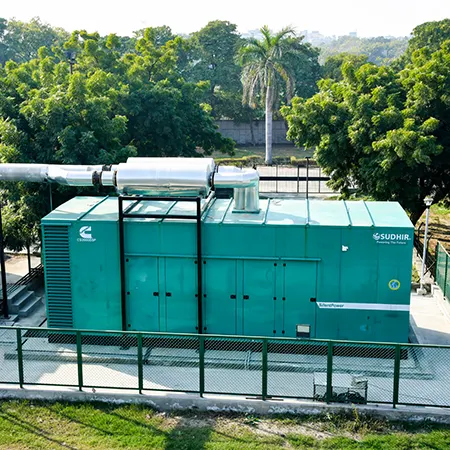
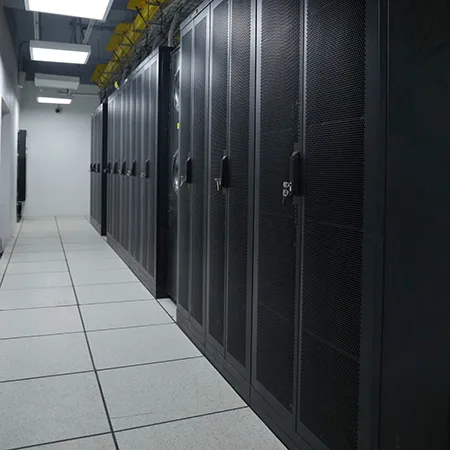
Factory interior documentation — production halls, machine rooms, assembly lines, quality control areas, raw material storage, dispatch zones, and exterior compound photographs. Lighting is calibrated to the specific facility conditions: large auto component press halls have different lighting requirements from clean-room food processing lines or chemical storage areas. Every facility gets a custom approach, not a generic setup.
Industrial Process Photography
Sequential documentation of a manufacturing process from input to output — the most persuasive format for OEM vendor submissions because it shows the complete production sequence rather than isolated machine photographs. For an auto component plant: raw material intake → CNC machining → heat treatment → quality inspection → sub-assembly → finished goods → dispatch. For a food processor: raw material weighing → cleaning and grading → processing → quality check → packing → dispatch. Each process sequence provides a complete visual record that buyers and auditors can evaluate.
Industrial Videography
Factory walkthrough videos (2–5 minute formats) for website embedding, supplier portals, and trade presentations. Process documentation videos for OEM capability demonstrations. Machinery operation videos — close-up and wide-angle — showing specific equipment in active production. Automotive Photography content for parts and sub-assemblies can be shot in parallel using a product setup during the same factory visit. All videography is shot and delivered with the photography in one engagement.
Machine and Equipment Close-up Photography
Detailed documentation of machinery — CNC centres, VMC machines, press brakes, injection moulding machines, winding machines, transformers under test, conveyors, automated assembly stations — with enough technical clarity that a procurement engineer can assess capacity and condition from the images.
Product Photography
Product Photography of finished goods — machined components, wiring harness assemblies, electrical panels, FMCG packaged products, engineering sub-assemblies — shot in controlled product photography setups during the factory visit. These images feed directly into the catalogue, export listing, and marketplace platform requirements.
Pre-shoot Factory Visit
Before the shoot day, Sanjay Babu Lohar visits your facility in Bawal in person.
Bawal is approximately 75–80 kilometres from Delhi via NH-48 — a comfortable drive that Lohar Studio makes as standard practice for all Bawal-area industrial engagements. The pre-shoot visit is not a sales call. It is a working session: walking the production floor, mapping the facility layout, identifying the key documentation areas, assessing ambient light conditions in each section, understanding your safety zones, and noting any machine or area that cannot be photographed for operational or confidentiality reasons.
From the visit, a structured shot list is prepared — organised by area of the factory, with specific frame objectives and timing notes (which areas are best photographed during active production versus at shift start or end). This shot list is shared with you before the shoot is confirmed, so you know exactly what will be covered on the shoot day.
To schedule your pre-shoot visit:
- Reach out via Contact Us with your facility type and location in the Bawal HSIIDC estate.
- Sanjay Babu Lohar will review your brief and confirm a visit date.
- Post-visit, the shot list and shoot schedule are shared for your confirmation.
- The shoot day is then scheduled and executed per the agreed plan.
Why Choose Lohar Studio for Industrial Photography in Bawal
Industrial photography requires sector knowledge, not just camera skill. An auto component press room, a food processing line, and an electrical panel assembly area are three completely different environments — different safety protocols, different ambient lighting, different levels of dust or moisture, different timing constraints around shift schedules and machine operation. A photographer who treats them the same way produces images that don't capture what actually matters in each environment.
Sanjay Babu Lohar has been photographing industrial facilities across Delhi NCR and North India since 2010 — over 16 years of sector-specific experience. The pre-shoot factory visit is how this experience gets applied to your specific facility, rather than a generic shot approach being applied to every factory regardless of sector.
Turnaround for all Bawal industrial photography engagements: 24–72 hours after the shoot day. Full photography and videography delivered together.
Referral programme: if you refer another manufacturer to Lohar Studio, you earn 10% of the shoot fee as referral credit after the referred client's shoot is confirmed.
Coverage from Bawal
Lohar Studio covers Bawal and the surrounding industrial belt across Haryana and the Rajasthan border zone.
Dharuhera (~15km from Bawal) — another HSIIDC industrial estate on NH-48; engineering, auto component, chemical, and plastics manufacturers in Dharuhera are within easy range for inclusion in a planned Bawal-area engagement.
Rewari (~20km) — district headquarters with HSIIDC and other manufacturing clusters in the Rewari belt; compatible with Bawal-area shoot scheduling.
Shahjahanpur (Rajasthan, ~30km) — industrial units in the Rajasthan Industrial Investment Corporation belt near Shahjahanpur, at the Haryana-Rajasthan border, are within coverage for combined trip planning.
Bhiwadi — the Bhiwadi-Chopanki-Khushkhera RIICO industrial belt (~25–30km from Bawal across the Haryana-Rajasthan border) is covered within planned outstation engagements for the NH-48 corridor. Manufacturers in Bhiwadi, Chopanki, and Khushkhera can be included in a combined Bawal-region shoot.
IMT Manesar — the IMT Manesar industrial estate (~30km from Bawal, Gurugram district) is within the same NH-48 corridor. Manufacturers in IMT Manesar requiring industrial photography can be combined with Bawal-area shoots for efficient multi-location engagement planning.
Portfolio and Recent Work
Lohar Studio's industrial portfolio covers auto component plants, engineering fabrication workshops, FMCG production facilities, electrical equipment manufacturers, and chemical plants across Delhi NCR and North India. Portfolio samples are available on request — WhatsApp or email via Contact Us. Sector-specific reference work is shared under NDA where client confidentiality applies.
Pricing
Industrial photography in Bawal Industrial Area starts from ₹14,999 per day. This includes full on-location photography and videography at your facility, the pre-shoot factory visit, travel to and from Bawal from Delhi, and post-processing with delivery within 24–72 hours.
Multi-day engagements for large HSIIDC facilities, combined multi-unit shoots across the Bawal-Dharuhera-Bhiwadi corridor, and specialist equipment requirements are quoted on brief. Multi-location trip packages covering Bawal alongside Dharuhera, Rewari, or Bhiwadi are available for manufacturers with facilities across the NH-48 belt.
Referral programme: earn 10% of the shoot fee as referral credit for each confirmed client you refer to Lohar Studio — applicable after the referred client's shoot is confirmed.
For a quote, reach out via Contact Us with your facility type and documentation requirements.
About Lohar Studio
Lohar Studio is a Delhi-based industrial and commercial photography studio founded in 2010 by Sanjay Babu Lohar. The studio has spent 16+ years working with manufacturers across Delhi NCR, Haryana, UP, Rajasthan, and beyond — covering industrial zones from Bawana and Naraina to Faridabad, Manesar, and now Bawal.
The studio does not use generalist photographers rotating between weddings and factories. Every industrial engagement is led by Sanjay Babu Lohar directly, from the pre-shoot visit through to post-processing review. The equipment, lighting methodology, and shoot approach are calibrated for industrial environments — large spaces, ambient light challenges, working machinery, and safety constraints.
Delivery for all industrial photography and videography: 24–72 hours.
Website: https://www.loharstudio.com